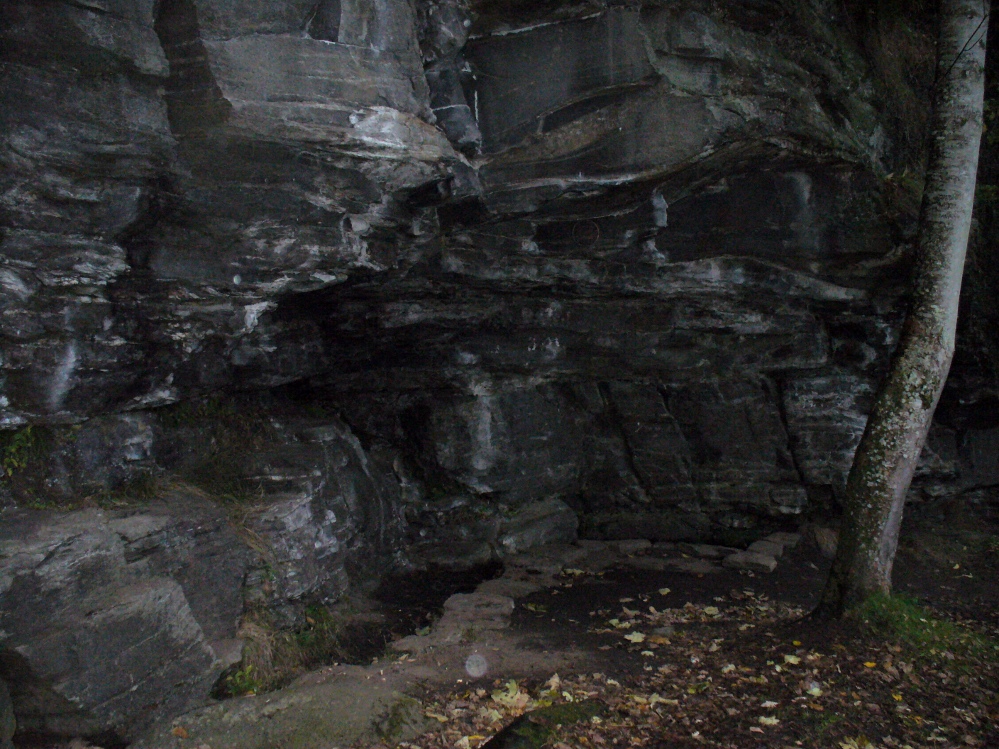
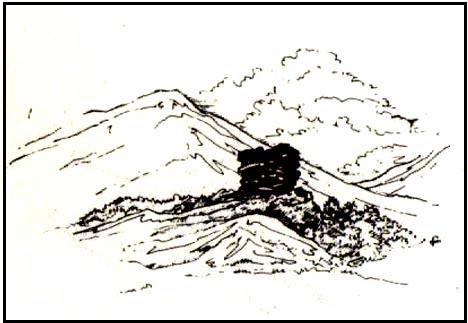
St. Thenew’s Well, Glasgow, Lanarkshire

Holy Well (destroyed):  OS Grid Reference – NS 589 648

Also Known as:

  1. Canmore ID 44288
  2. St. Tenew’s Well
  3. St. Theneu’s Well

Archaeology & History
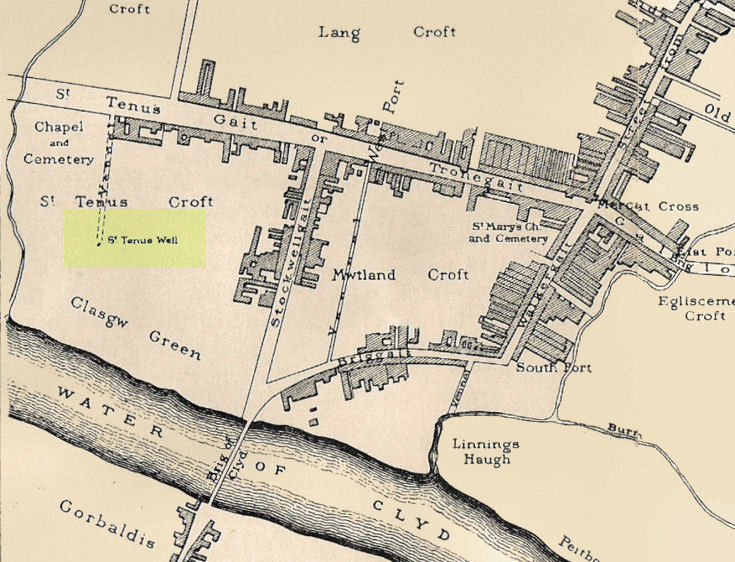
St Thenew’s on early map

Whilst I’m in Glasgow (big thanks to Aisha!) I thought I’d check out any remaining heathen sites that might still be visible.  Many have perished of course, beneath the weight of religious industrialism—this one included.  Even when the Ordnance Survey lads came here in 1858, it had already been destroyed.  All that we now know of it comes from the writings of the earlier historians like Walker (1883), Renwick (1921) and co.

Known in early records as St. Theneu (mother of the legendary St. Mungo, who also had sacred wells dedicated to him in Glasgow, Gleneagles and much further afield), trackways and burns hereby were also named after this curious character, and a chapel was also commemorated to her, which fell into ruin several centuries ago.  Its position was highlighted on a late-16th century sketch of Glasgow village—as it was then—immediately south of the chapel, just north of the River Clyde.  The best description we have of it comes from a detailed paper on the holy wells of Glasgow by a Mr Brotchie (1920), who told:

“Where the subway station of St. Enoch’s Square stands…there was at one time the well of St. Tenew, the mother of St. Kentigern or Mungo.  It is thus described by a writer in 1750, “The ruins of a small chapel stood beside the well whose waters were sheltered by a bush, on which were to be seen, especially in early summer, bits of rags of all kinds and colours, while in the well itself enterprising boys were wont to get small coins.  The rags and the coins were the offerings of people, principally women, who came to drink of the waters of St. Tenew’s Well, and left these trifles as thank offerings.”

“This ancient well of St. Tenew stood near a chapel erected over the tomb of St. Tenew, and the ground in its vicinity remained sacred in the eyes of the faithful as the last resting place of the holy woman who had watched the infant steps of the great apostle of the Cambrian Britons, St. Mungo, the patron saint of Glasgow.  The Trongate and Argyle Street, which now stretch westwards from the cross, were in old times a country road leading to St. Tenew’s chapel, kirkyard and holy well.  In a deed of 1498 mention is made of “the blessed chapel where the bones of the beloved Tenew, mother of the blessed confessor, Kentigern, rest.”  When M’Ure wrote his History of Glasgow in  1736, the remains of this old chapel and kirkyard were described as standing “in a solitary spot in the country surrounded by cornfields.”  Looking westwards from St. Tenew’s Well in 1750, a writer describes the scene as “open country, pastures and cornfields, rude-looking country homesteads, barns and other farm buildings, and enclosed kailyards,” where now stand the busy arteries of Jamaica Street, the Caledonian Railway Station, and the miles of tenements that stretch westward to Anderston, Finnieston and Partick.

“We have a comparatively recent record of the holy well of St. Tenew in the statement of the late Mr Robert Hart, who told M’George that he had been informed by an old man, a Mr Thomson, who had resided in the neighbourhood of St. Enoch’s Square, that in the beginning of the last century, say 1800, he recollected the well being cleaned out, and of seeing picked from the debris at the bottom many old coins and votive offerings.  St. Tenew’s Well was a holy well.  For centuries it was a place of pilgrimage and was much resorted to for cures, especially in pre-Reformation days.  In 1586, James VI, addressed a letter to Mr Andrew Hay, commissioner for the west of Scotland, condemning the practice of people making pilgrimages to wells and chapels, but the royal edict was powerless to stop the practice and St. Tenew’s Well was resorted to by people in trouble as long as it was in existence.  The road that led to it was known up to the 15th century as St. Tenew’s Gait or path.  Indeed, it was so named till 1540, when the name of Trongate begins to make its appearance in old city deeds.  This name, of course, owes its origin to the granting in 1490 by James IV, to the Bishop of Glasgow of the privileges of a free tron in the city—hence our Trongate of today.”

References:

  1. Bennett, Paul, Ancient and Holy Wells of Glasgow, TNA 2017.
  2. Brotchie, T.C.F., “Holy Wells in and Around Glasgow,” in Old Glasgow Club Transactions, volume 4, 1920.
  3. Eyre-Todd, George, History of Glasgow – volume 2, Jackson Wylie: Glasgow 1931
  4. MacGeorge, Andrew, Old Glasgow, Blackie & Son: Glasgow 1880.
  5. Renwick, Robert & Lindsay, John, History of Glasgow – volume 1, Maclehose Jackson: Glasgow 1921.
  6. Walker, J.R., ‘”Holy Wells” in Scotland”, in Proceedings of the Society of Antiquaries, Scotland, volume17, 1883.

© Paul Bennett, The Northern Antiquarian

Single Well, Ifield, Gravesend, Kent

Holy Well (destroyed):  OS Grid Reference – TQ 6538 7081

Also Known as:

  1. St. Thomas’ Well
  2. Shingle Well

Archaeology & History

Sadly the site is gone no longer in existence it was in the roadway along the Roman Watling Street, at its junction with Church Lane, where it joins the relatively recently named Hever Road with Mailings Cross.

Local opinion, erroneously believes that its name derives from there only being one well in the district, but it originates from its substrate, being once called ‘Shinglewell’ describing the substrate. It ended its days as a traditional winch well, with a depth of 150 yards. Watt (1917) described the draw well as having a sign, reading ‘This water is not fit for drinking’— the result of contamination by a nearby stagnant pond. This wooden framework was removed during the First World War, when the well was filled in and domed over. Later, in 1935, a granite slab inscribed with: ‘Site of the Ancient Well, Singlewell Parish or Ifield’ was placed there. Unfortunately, this was removed by the County Council in 1952, and along with the combination of road improvements, the site was largely forgotten.

Folklore

Recorded in a Latin MS and translated by the Rector of Ifield between 1912-1935, the Rev K. M. Ffinch tells of a tradition in great detail, and the following is a brief resume. The legend involves a village girl called Salerna, who is said to have ‘thrown’ herself down the well after being accused of stealing some cheese. Yet, as she fell, she cried out for St. Thomas to save her from her impending doom, and upon finishing her plea, landed on some planks lying at the bottom of the well. They broke her fall, and thus saved her from her dreadful fate. She was then subsequently rescued and because of the ‘miracle’ the well was dedicated to the saint.

The incident is said to have occurred soon after St. Thomas’s martyrdom, and is said to have been one of his first miracles.  The name ‘Salerna’ suggests a Roman origin, supported by its location along Watling Street, a Roman Road. Bayley (1978), using a low-land British dialect, which he believed survived until this century, states that ‘Salire Naias’ is ‘the water nymph, who springs forth and runs down’. Consequently, the story of St. Thomas miracle may have been introduced to remove the pagan tradition and refocus the beliefs of the people using a local saint.

References:

  1. Bayley, M.,(1978) Ancient, and Holy and Healing Wells of the Thames Valley, and their Associations.
  2. Ffinch, K.M., (1957) The History of Ifield and Singlewell
  3. Parish, R.B., (1997) “The Curious Water-lore of Kent II: Ghosts, Fertility and Living Traditions”, in Bygone Kent, Volume 18, pp.427–32.
  4. Watt, F., (1917) Canterbury Pilgrims and their Ways

(Extracted from the forthcoming book Holy Wells and Healing Springs of Kent)

Links:

  1. In Search of Holy Wells and Springs

© R.B. Parish, The Northern Antiquarian 


St Bunyan’s Well, Leuchars, Fife

Holy Well:  OS Grid Reference NO 45252 21483

Getting Here

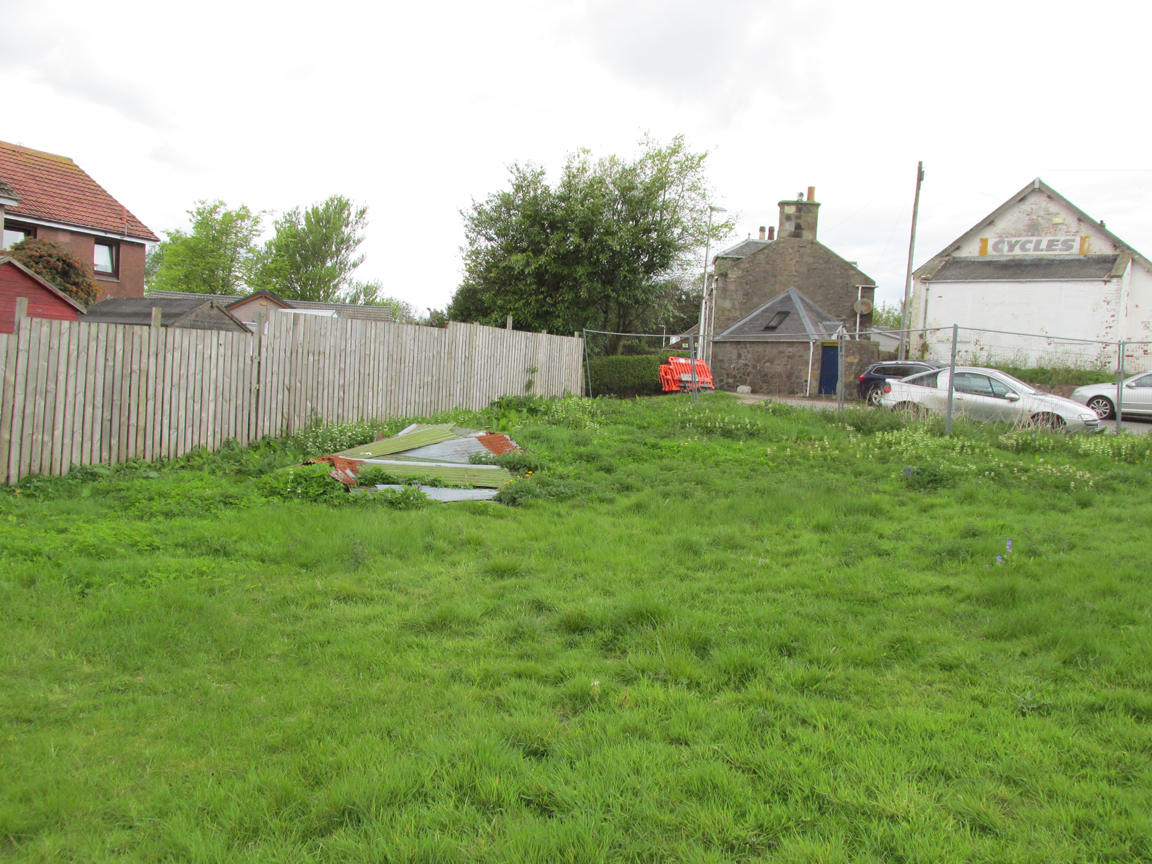
St Bunyan's PlaceIf travelling from Dundee or Newport, turn right into Meadow Road, the last turning before the roundabout in the middle of the town. On the right is a large white-painted building where bicycles are sold. The site of St Bunyan’s Well is on the patch of empty land opposite, to the left nearest the road.

Archaeology & History

Site of St Bunyan's Well
Site of St Bunyan’s Well

The Well is named in conjunction with the ninth century Culdee chapel of St Bunyan on the nearby Temple Hill, now known as School Hill.  St Bunyan has been remembered by various alternative names:  Bunoc, Bonac, Bonoc, Bonnoch, Bunan, Bernard and Bennett, and W. Reid noted in 1909,

“A crown charter of 1539 refers to a yearly market on St. Bonoc’s Day, and a further reference to the Chapel of St Bonach occurs in the confirmation of a charter by James VI.”

Forbes’ Kalendars of Scottish Saints records, under the entry for Saint Bonoc that one of the Endowments of Saint Fergus at St Andrews was the jawbone of Saint Bonoc, given by Bishop David Rhynd.

The mid nineteenth century Ordnance Survey Name Book correspondents Messrs. Pillans and Keddie described the well: “In the village of Leuchars. A excellent Spring Well in the village of Leuchars it is built round with cut stones, and is Kept in good repair by the inhabitants. the date when it was first Constructed is not known but it said to have been before the reformation, dedicated to St. Bunyan hence its name.”

The Reverend Kettle in the Old Statistical Account for Leuchars adds: “There is a most excellent well flowing with an abundant Stream of Soft water near the west en of the village (for the village is now extending westward) called by the name of the saint to whom the Chapel was no doubt consecrated.”

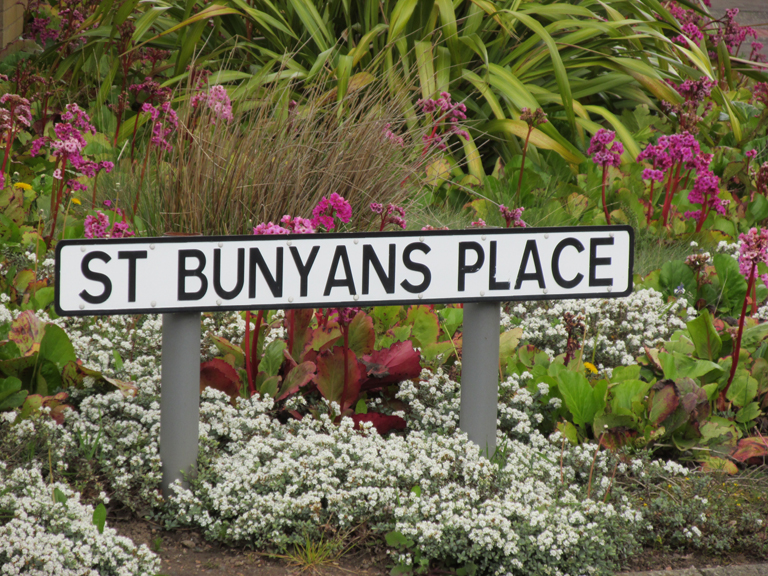
An elderly couple whom I met remembered a small well-house, but I didn’t ask them when it was demolished.  The Saint is remembered in Leuchars by the road name of a modern development in St Bunyan’s Place.  St Bunyan’s Well probably dried up as a result of the increased water demand following the establishment of RAF Leuchars in 1920. The Saint now has his waters extracted by Scottish Water’s Meadow Road Pumping Station.

References:

  1. Reid, William., “Notice of the Discovery of a Group of Full-Length Stone Cists at the School Hill, or Temple Hill, Leuchars“, in Proceedings Society of Antiquaries, Scotland, volume 43, 1909.
  2. Forbes, Alexander Penrose, Kalendars of Scottish Saints, Edmonston and Douglas, Edinburgh, 1872
  3. http://stat-acc-scot.edina.ac.uk/link/1791-99/Fife/Leuchars/18/585/

Link:

  1. Canmore

© Paul T. Hornby, The Northern Antiquarian


Lady’s Well, Leuchars, Fife

Holy Well :  OS Grid Reference NO 45573 21645

Also Known as:

  1. Lady Well

Getting Here

Lady's Well at Leuchars
Lady’s Well at Leuchars

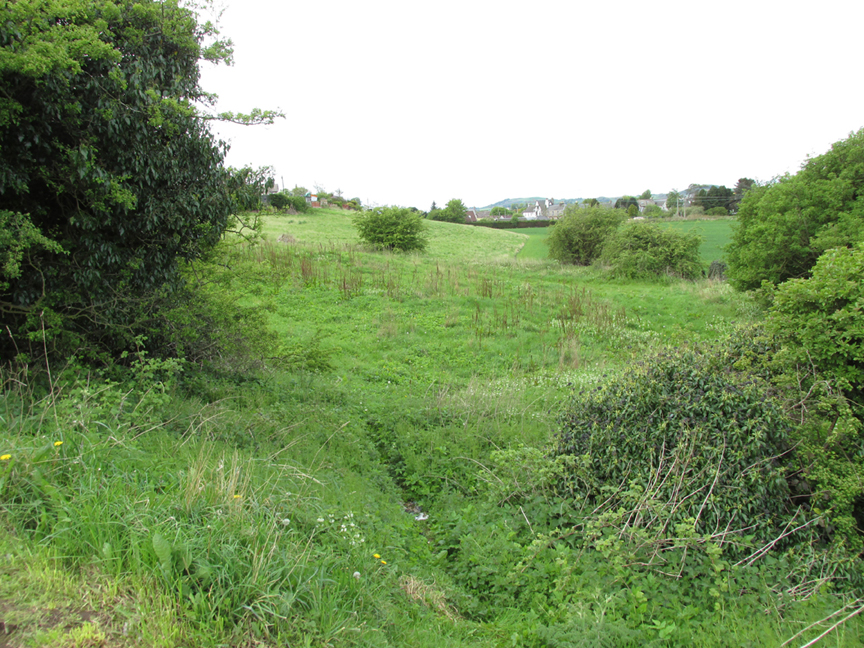
Entering Leuchars from Dundee or Newport go straight ahead through the roundabout; entering from Cupar or St.Andrews turn right at the roundabout, then up School Hill and bear left up the Pitlethie Road, then immediately past a long terrace of bungalows, turn left up an unmade road opposite the school, where you can park up.  Walk down the track, noting the Castle Knowe Motte across the fields ahead and follow the track to the right, and there at the bottom of the slope, below modern housing, is the site of the Lady’s Well.

Archaeology & History

There seems to be only minimal information about Lady’s Well. To the south lies the ancient church of St Athernase, described architecturally as the second finest Romanesque church in Britain (after Durham Cathedral) and apparently built by some of the same masons who built Durham.  Prior to the building of St Athernase, a ninth century Culdee church, dedicated to St Bonoc (also known as St. Bennet or St. Bonach or St.Bernard) stood on the School Hill which rises over Leuchars.  School Hill was anciently known as Temple Hill, perhaps indicating a connection with the Knights Templar.

Writing in the Old Statistical Account for Leuchars in the 1790s, the Reverend Kettle wrote:

“A little north of the east end of the village, to the convenience and comfort of the inhabitants, there is another well of equal excellence, called the Lady well, no doubt consecrated to the Blessed Virgin”

The mid nineteenth century Ordnance Survey name book has the following entry referring to the Lady’s Well, contributed by a Messrs Pillans and David Keddie:

“The site of a Spring Well in a small piece of open ground adjoining the Village of Leuchars. It ran dry before the year 1843 from some unaccountable reason. and in that year A New well was sunk and opened a short distance from it. which since supplys its place. This last was done by subscription by the inhabitants of the village the original well was sunk and opened for use by a Lady of the name of “Carnegie” who formerly Lived at “Leuchars Castle” hence the name “Lady’s Well” it was never resorted to as a holy Well.”

Despite this, we must bear in mind the Kirk’s powerful post Reformation antipathy to holy wells, which may be reflected in the story given by the above two correspondents.

While your writer was bimbling around Leuchars, a chance (?) meeting led to him being introduced to probably the oldest residents in the town (mid- to high-90s).  They only remember the Lady’s Well site being known as ‘The Well Green’ where the old Fife County Council waterworks were once situated, and there we may have the reason for the Well’s physical demise:  modern water extraction to serve Leuchars RAF Station and its ancillary barracks and housing has lowered the water table, leading to the spring drying up as it passes from living memory

Links:

  1. Canmore
  2. Leuchars St. Athernase, Church of Scotland
  3. http://www.scotlandsplaces.gov.uk/digital-volumes/ordnance-survey-name-books/fife-and-kinross-shire-os-name-books-1853-1855/fife-and-kinross-shire-volume-44/61
  4. http://stat-acc-scot.edina.ac.uk/link/1791-99/Fife/Leuchars/18/585/

© Paul T Hornby 2014-16, The Northern Antiquarian


St. Mungo’s Well, Gleneagles, Perthshire

Holy Well:  OS Grid Reference – NN 9376 0719

Also Known as:

  1. Canmore ID 25905

Getting Here

St Mungo's Well, Gleneagles
St Mungo’s Well, Gleneagles

The best way here is to walk a mile to find it.  All the way up the road from Gleneagles Standing Stones to Glendevon, right at the very top where the two glens meet, there’s a small road heading to the Fishery. 100 yards along, park up. Then take the old green road back down the Glen, north towards Gleneagles, parallel with the new road. A mile or so down you’ll reach the farmhouse, but a coupla hundred yards before this, in a wooden gap in the electric fence, you can walk straight downhill to the large pool below you. Y’ can’t really miss it!

Archaeology & History

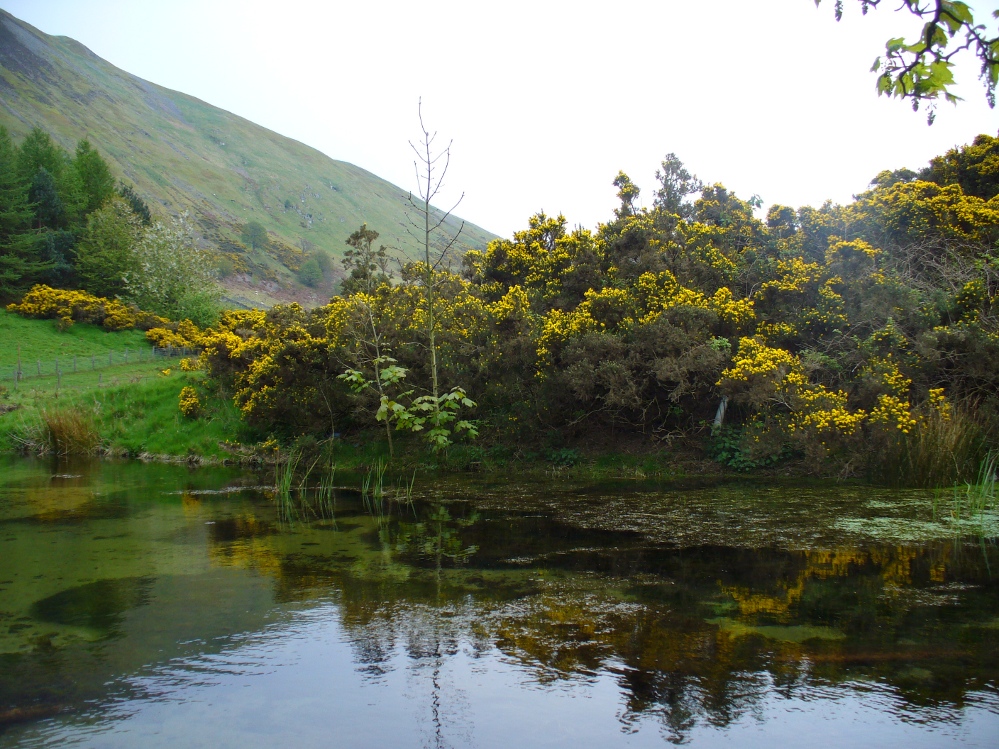
The strong cold spring of water known as St Mungo’s Well, now gathers into a large crystal clear pool and is gorgeous to drink and very refreshing!  All around the edges are the brilliant yellow masses of gorse, held amidst widespread vivid hues of green in this most rocky of landscapes.  Tis a gorgeous setting here….

St Mungo's Well, 1860 map
St Mungo’s Well, 1860 map

Unfortunately there is no literary information that tells us why this spring of water, amongst the many others all around these hills, gained the ‘blessing’ of one of those roaming christians and was deemed to be ‘holy’.  The greatest likelihood, as usual, is that the waters had some important heathen association which our peasant ancestors would have been able to tell us about if their animistic tales hadn’t been outlawed and demonized by the incoming cult — but we’ll probably never know for sure.  As a result, we know nothing now of its medicinal qualities or old stories.

The transference of its old name (whatever it may have been) to their ‘St. Mungo’ may date from when the character was wandering with his christians in the 7th century, but we have no literary account proving as such.  The name ‘St Mungo’ was an alternative name (a nickname if y’ like) of St. Kentigern — or at least that’s what the church historians tell us.  There is no history of Kentigern or St Mungo up the glen, but we do have a more prosaic account that tells of a Mr Mungo Haldane of Gleneagles, a member of the Scottish parliament in 1673 onwards; he was succeeded by another Mungo Haldane MP in 1755.  However, it’s highly unlikely that these political characters gave their name to the well.

The clear waters, looking south
Crystal clear perfect drinking water

Even the Scottish holy wells surveys are pretty silent on this beautiful site.  It was mentioned in Morris’ (1981) survey, but with no real information.  The earliest account seems to come from an article written in the Perthshire Advertiser in 1856, and thankfully reproduced in the otherwise tedious genealogical history of the Haldane (1880) family; but even here, the narrative simply mentions the presence of the well and no more.  Described in a walk up Gleneagles, it told:

“Journeying westward along the desolate moor…we soon came in front of Gleneagles, a narrow picturesque glen in the Ochils, through which the old road from Crieff leads into Kinross-shire.  The hills here, as throughout the whole range, are strictly pastoral, but in no place more so than Gleneagles.  Crowning the heights on both sides of the glen, we have craigs ragged and bare enough; but their show of beetling hard sterility is as nothing to the winding receding mass of grassy heights that bound the view. In looking on that quiet, sunny, Sabbath-like retreat, one would be apt to deem the name a misnomer, and yet it is not much above a hundred years since the monarch of birds had a home among its cliffs.  There, too, the Ruthven Water that dashes past Auchterarder has its rise — not in a scarcely seen bubbling spring almost covered with moss, but issuing at once into daylight at the bottom of yonder steep in volume sufficient to drive a mill.  In ancient times, as now, it must have been an object of mark, as it is called St. Mungo’s Well; but who this St. Mungo or St. Magnus was — whether the ghostly patron of Glasgow, Auchterarder old chapel, or the guardian saint of this particular spot, we cannot tell.  But he seems to have relished cold water; and it is satisfactory to know that he must have got his fill of it there, if his cell happened to be in the vicinity.”

The well was mentioned in passing in the Object Name Book in 1860 and shown on the earliest Ordnance Survey maps.

Folklore

Apart from the fact that the waters here never run dry, we have no other folklore. However it should be noted that St. Mungo’s Day was January 14th — which may have been when the qualities of the spring were deemed most efficacious, or when olde rites were enacted here.  However, a hundred yards down we pass the stream known as Bride’s Burn, probably in honour of the heathen Queen St. Brigit, whose name and myths are integral to our great Earth goddess, the Cailleach and whose celebration date is only two weeks later than that of Mungo.  Hmmmmmmm…..

References:

  1. Attwater, Donald, Penguin Dictionary of Saints, Penguin: Harmondsworth 1965.
  2. Haldane, Alexander, Memoranda Relating to the Family of Haldane of Gleneagles, C.A. MacKintosh: London 1880.
  3. MacKinlay, James M., Folklore of Scottish Lochs and Springs, William Hodge: Glasgow 1893.
  4. Morris, Ruth & Frank, Scottish Healing Wells, Alethea: Sandy 1982.
  5. Watson, Alexander, The Ochils – Placenames, History, Tradition, Perth & Kinross District Libraries 1995.

© Paul Bennett, The Northern Antiquarian

St. Alkmund’s Well, Derby, Derbyshire

Holy Well:  OS Grid Reference – SK 351 371 

Geting Here

St. Alkmund’s Well, Derby

It can be found by taking North Street off Duffield Road (A6) continuing until it joins North Parade and here a little lane, called Well Street comes off and the spring is at the junction of this and Bath Street on the left hand side.

Archaeology & History

First recorded in 1190 in a rental agreement but considering its association probably earlier. The well is dedicated to the Saxon saint who died 800 AD and whose tomb or shrine was located in church nearby (and is now located in the Derby Museum).  Little is recorded of its history however.

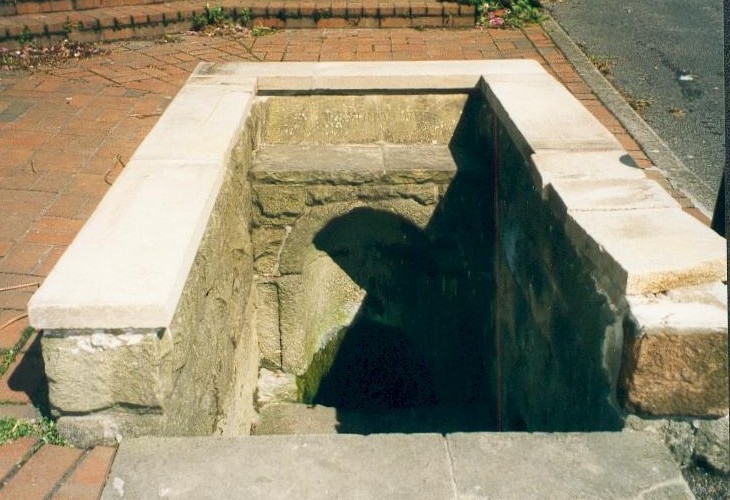
The well is below ground level with four steps to its water which flows with some force into an oval basin. A stone carving states its name. The plaque reads:

“Until the area was built up from 1814, the well was in a rural setting, part of St Helen‟s Park. The stone niche surrounding the well was built by the Rev Henry Cantrell in the early 18th century”.

It now sits rather incongruously in an area of urban landscape,  an odd juxtaposition amongst the older houses and tower blocks still exists, but is often prone to vandalism. and has suffered from it. Well dressings were discontinued due to vandalism and it was blocked off my tall metal fencing for a period recently. Now it is surrounded by a small wall and black railings which has blocked access but will protect it.

Folklore

Cox (1875–9) records that a vicar of S. Werburgh’s was cured of his low consumption, after constantly drinking its water, although the sign It has been traditionally dressed, revived in 1870 and continued infrequently until 1993, stopping because the boards were thoughtlessly vandalised. The demolishing of the St. Alkmund’s Church in the 1960s for road widening stopped the tradition of processing to the well. I was told by a local elderly lady that she still drank the water and that it was very pure…I was not sure myself!

References:

  1. Parish, R.B, (2010) Holy Wells and Healing Springs of Nottinghamshire

Copyright © Pixyled Publications


St. John’s Well, Welham, Nottinghamshire

Holy Well: OS Grid Reference – SK 7255 8280

St John's Well house
St John’s Well house

Getting Here

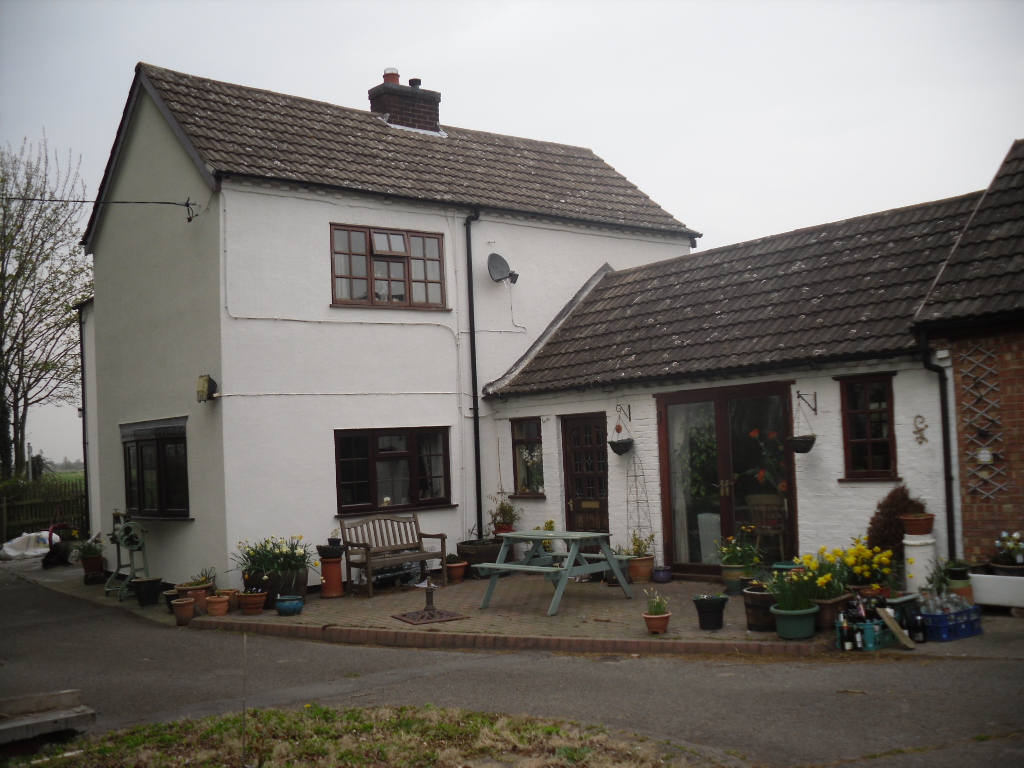
One of the most unusually sited of Nottinghamshire’s holy wells is St. John’s Well at Welham. It lies beneath a private kitchen floor in a house in Bonemill Lane in Welham, just off the Clarborough Road out of Retford.

Archaeology & History

The well itself is undoubtedly an ancient one. The Domesday Book refers to ‘Wellun’; this changed to ‘Wellum’ by 1166, and by the 16th century had become ‘Wellom’; but in Chapman and Andrews map of Nottinghamshire in 1775 was shown as ‘Welham’.  None of these sources call it St John’s Well and it is not so named until 1710, either as a re-dedication once the Reformation zealouts had died down, or perhaps coined by John Hutchinson to give the bath a story to explain its healing waters.  It is shown on Chapman’s map of Nottinghamshire (1774) as ‘Well House’.  Piercy (1828) gives the greatest information and states that the hamlet of Welham was named after St. John’s Well whose waters contained magnesium and gypsum and was:

 “good for rheumatics and scorbutic diseases. Its waters formed into a large bath, and remained entire during the early part of the 18th century, it was famous for many cures, but latterly it has lost much of its celebrity.John Hutchinson, Esq. erected a cottage adjoining, and enclosed the bath, to preserve it from injury. Cold baths like this were formerly regarded with superstitious reverence, being supposed to possess a sovereign remedy for agues such as rheumatism.”

The well-cover
The well-cover
Looking into the well

By 1832 White’s Directory notes that it had lost much of its former celebrity. A Robert Walker was a bath keeper at the Well house and may well have been the last one as it appears the well soon fell into terminal decline and I can find nothing is noted of it until 1938. At this time it is noted that its water was still used to provide several cottages in the village. An article written in 1957 states the bathhouse disappeared stating the coming of the railway encouraged people to move away to find more effective spas around the 1830s. It goes on to note that the actual spring location was lost. This I thought was to be the situation, but local investigations not only showed the house to be still existence but the bath still remained! Records show that the estate, was bought by an Arthur Robert Garland of Welham Hall from the deceased estate of John Henry Hutchinson of Clarborough Hall acres117.3.16 along with Well House Cottage and garden for the sum of £3200 on in 1910. He then sold the cottage and garden to Fred Anderson on 1910 for £130. This was subsequently bought by the late Mr Eric Durham on 1955, later to be purchased by the current owner, Mr Whelan, in 1975.

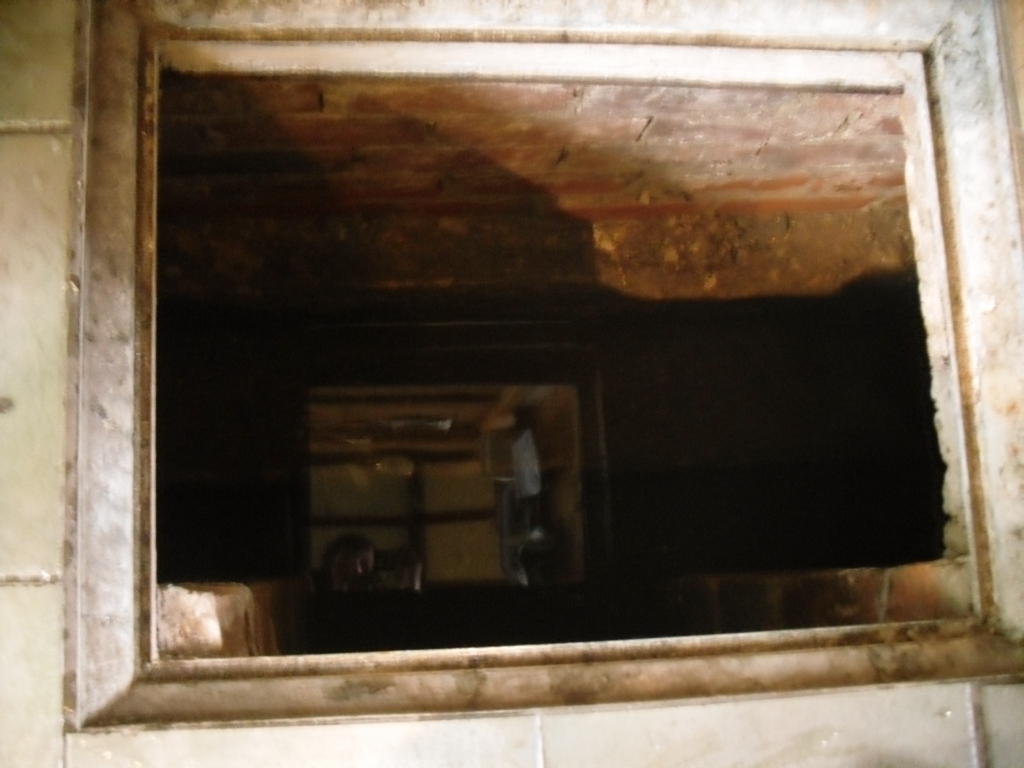
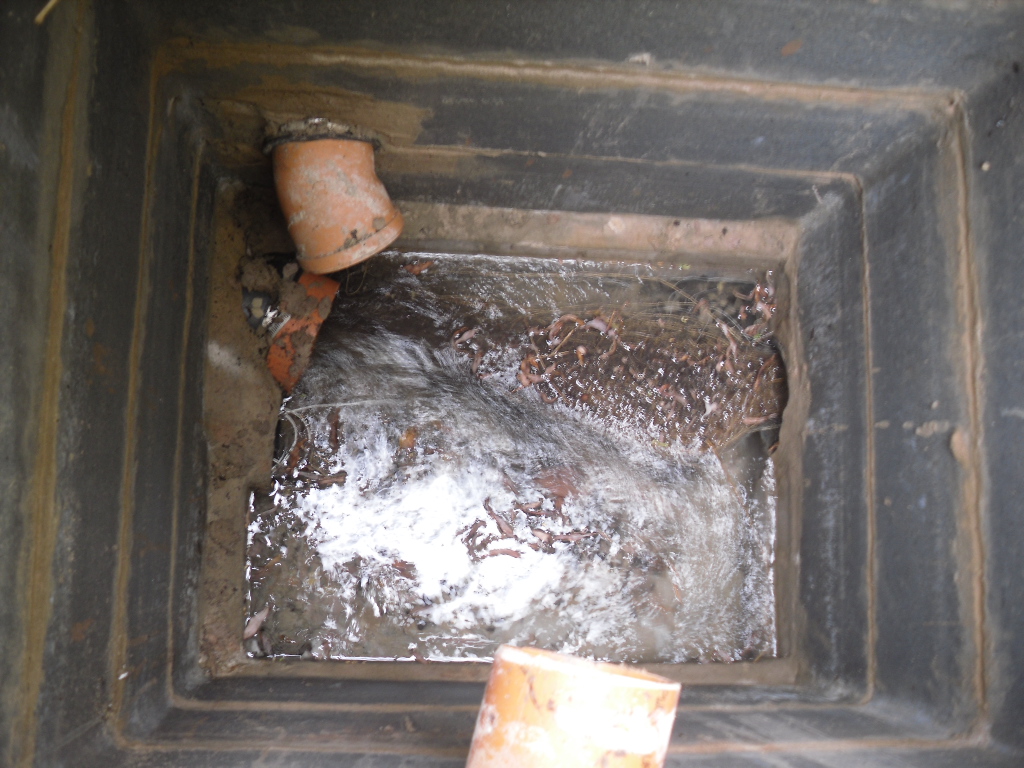
st-johns-well-welham04 The present house, although it had been added onto in the last century, has its core fabric as John Hutchinson built it. The large house being the well keeper’s abode with the side building, now a modern kitchen was the bath house.  Arriving at the house, I was at first shown the site by Mr. Whelan the spring which filled the bath which was diverted to the side of the house, the spring itself arising close to the footpath behind the house. A man-hole cover in the drive way revealed that the spring flows at a fast rate, several gallons per minute. He notes that it had a very high mineral content, soaking through the gypsum in Clarborough hills. He stressed it is drinkable, in small quantities, due to its high magnesium and sulphate (like Andrews Liver Salts). It is quite chalky to taste flat but is very pleasant to drink if aerated. However he did not recommend long term drinking was probably not good for one’s health.

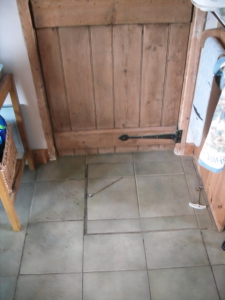
st-johns-well-welham05In the kitchen, a small trap door can be removed and beneath the remains of the bath is revealed. This appears to as Mee (1938) describes; a stone basin twelve feet square with a flight of steps entering the water. I scrambled down into this bath and found it presently to have two stone steps which enter the bath, although bricks built upon these suggest that there may have been more.

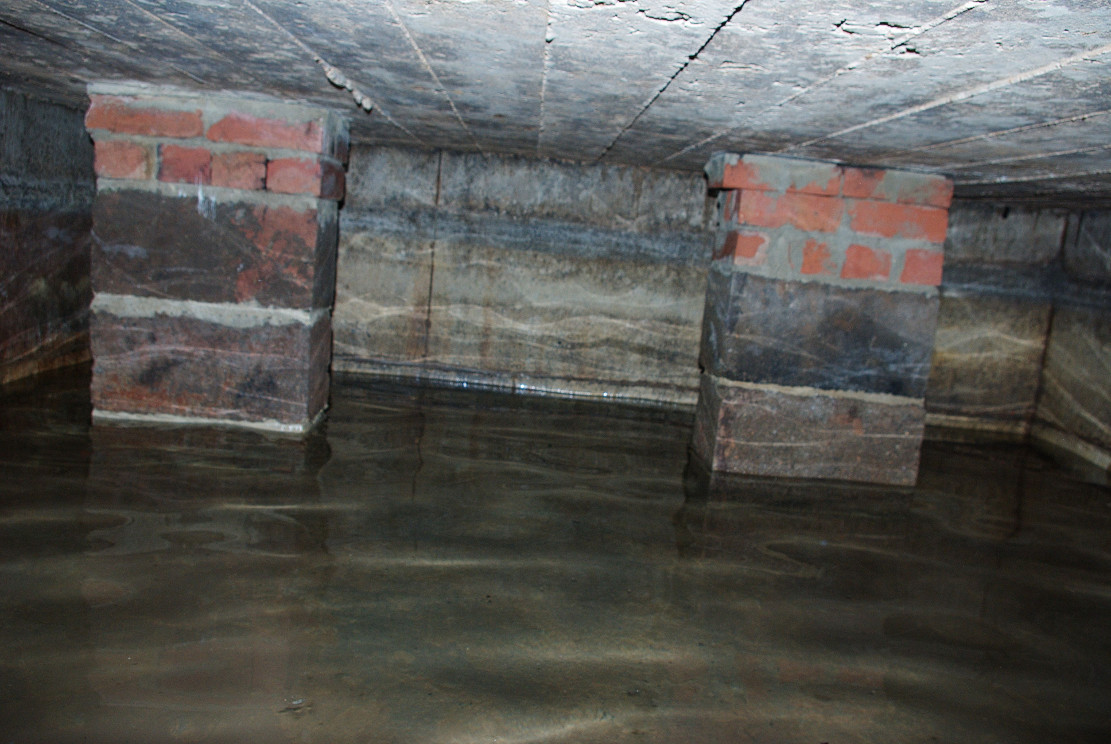
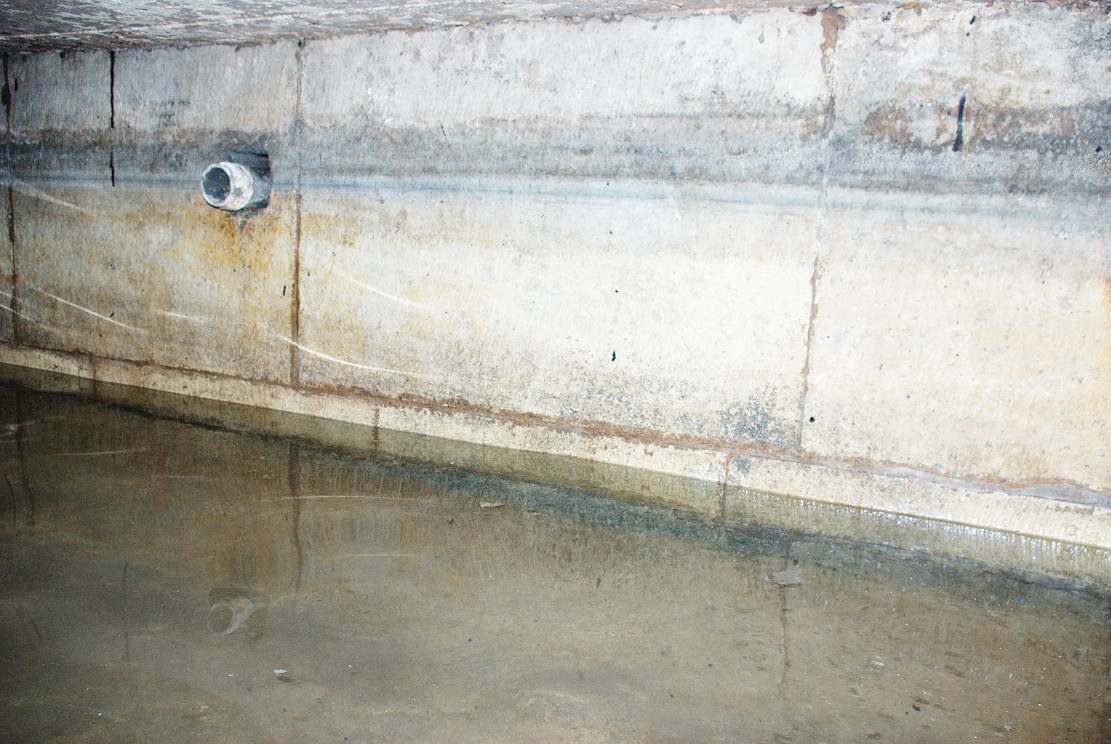
st-johns-well-welham06Remarkably the bath still remains enclosing an area fifteen feet by twelve feet, and despite the water being diverted, was full to over a two foot of water. The present kitchen is supported by four brick pillars but this does not appear to have damaged the fabric of the bath which is in fine condition, being made of good quality neat squared stonework. A pipe is found four feet high or so in the wall and a line around it made by the presence of water indicates that the water was of a considerable depth supporting the fact that it was large enough to be a hazard, explaining how Thomas Heald, Vicar of Babworth drowned in it on the 18th June 1759. Mr. Whelan informs me that although the house is not a listed building previous owners had sensibly preserved the bath. Around 30 years ago he was often showing local school children, but it appears now to forgotten. So there it remains a curious relic preserved in its most unusual place.

Folklore

John Piercy (1828) notes:

“Here was, until lately, a feast, or fair, held annually on St. John’s day, to which the neighbouring villagers resorted to enjoy such rural sports or games as fancy might dictate.”

What is interesting about this account is the reference of games and a fair suggesting that if the well itself did not have such a dedication, the saint was celebrated in the locale. This may indicate that indeed the well was so dedicated or that Hutchinson chose this name because of the local fair. Without further information we shall never know.

It must be noted that due to its location, under a private kitchen, that the site is not readily viewable so please don’t turn up unannounced.

References:

  1. Mee, Arthur, Nottinghamshire, Hodder & Stoughton: London 1938.
  2. Parish, R.B. (2010) Holy Wells and healing springs of Nottinghamshire
  3. Piercy, John S., The History of Retford, F. Hodson: Retford 1828.

Links:

  1. Holy and Healing Wells

© R.B. Parish, The Northern Antiquarian 


St. David’s Well, Weem, Aberfeldy, Perthshire

Holy Well:  OS Grid Reference – NN 8445 5002

Also Known as:

  1. Canmore ID 25672
  2. Chapel Rock Spring
  3. Fuaran Creig a’ Chaibeul
  4. St. Cuthbert’s Well

Getting Here

In the dark, dark wood... hides St. David's Well
In the dark, dark wood… hides St. David’s Well

The best way to find this site, in the middle of the large woods up the slopes, is to follow the circular mile-long tourist path that runs through it. Take the B846 road out of Aberfeldy over the bridge towards Dull and Weem.  As you go through Weem, watch closely for the signpost directing you into the trees of Weem Rock and Woods on the right. Follow this tiny road up until you reach the parking circle in the edge of the trees.  Follow the directed footpath up into the woods & keep to the winding track, up, zigzagging, and up again, until it levels out a bit and runs below the large long crags. Tis beneath here you need to be!

Archaeology & History

The pool of St David's Well
The pool of St David’s Well

Not far from the curious Weem Wood carvings, hidden beneath one section of the long high crags in remains of the ancient forest, is this trickle of fresh water which collects into a small stone-lined pool. (a small round plaque which reads ‘St. David’s Well’ on the cliff-face above the waters is helpful) It’s in a truly lovely setting, with a small ‘cave’ about 50 yards west along the same footpath and a modern carved ‘cross’ in front of it.

The well was formerly known as St. Cuthbert’s Well (date: 20 March) who, so legend tells, lived nearby—probably at the christian-druid college at Dull, a mile west of here. It was he who collected the waters from the rock face into the small pool we see today.  This used to be known as St. Cuthbert’s Bath.  But several centuries after the saint’s death, the local laird, Sir David Menzies, came and restored the well and gained a reputation for spending much time living hereby, sometimes in the small cave along the edge of the cliffs.  It was to him that the New Statistical Account wrongly dedicated the waters to in the 19th century—but the title has stuck!

Described in several old local history works, the site was included in the giant folklore tome on Scottish waters by MacKinlay (1893), who wrote the following:

“In the wood clothing the steep hill of Weem, in Perthshire, is St. David’s Well, said to be named after a former laird who turned hermit.  The spring has a considerable local fame, and many have been the wishes silently breathed over its water.  Part of an ancient stone cross lies at its margin, and on it the visitor kneels while framing his or her wish.”

Nothing of this ‘cross’ can now be seen, but it is said that its remnants are housed at Weem church in the village below.  Also in the 19th century, occasional christian gatherings were held here and as many as fifty people came “for religious services.” Thomas Hunter (1886) reported that “a collection of human bones” were found near the well in front of the crags. There is also what looks like a newly cut large cup-marking with two carved lines reaching out from it, heading towards the well, on a small ledge of stone close to the pool.

Folklore

Folklore tells that once, long ago, dragons lived in these old woods—overcome no doubt by the incoming christians who stole and denigrated the olde peasant ways of our ancestors.  In bygone times, locals used the waters here for their health-giving properties.  As Ruth and Frank Morris (1982) told,

“it was an ancient wishing well which was still visited in 1954, when such objects as pins and buttons and an occasional penny was thrown in.”

References:

  1. Ferguson, Malcolm, Rambles in Breadalbane, Thomas Murray: Glasgow 1891.
  2. Hunter, Thomas, Illustrated Guide to Perthshire, Robertson & Hunter: Perth 1886.
  3. MacKinlay, James M., Folklore of Scottish Lochs and Springs, William Hodge: Glasgow 1893.
  4. Morris, Ruth & Frank, Scottish Healing Wells, Alethea: Sandy 1982.

© Paul Bennett, The Northern Antiquarian

St. Palladius’ Footprint, Camusvrachan, Glen Lyon, Perthshire

Legendary Stone:  OS Grid Reference – NN 62626 47685

Also Known as:

  1. Craig Dianaidh
  2. Rock of Safety

Getting Here

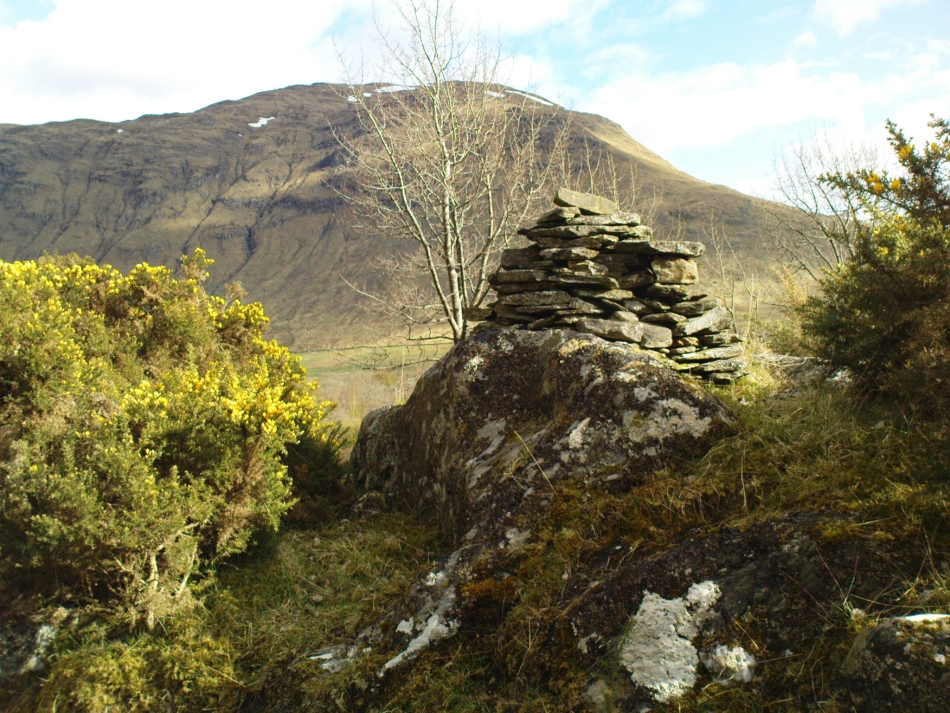
The rocky cairn of St. Palladius

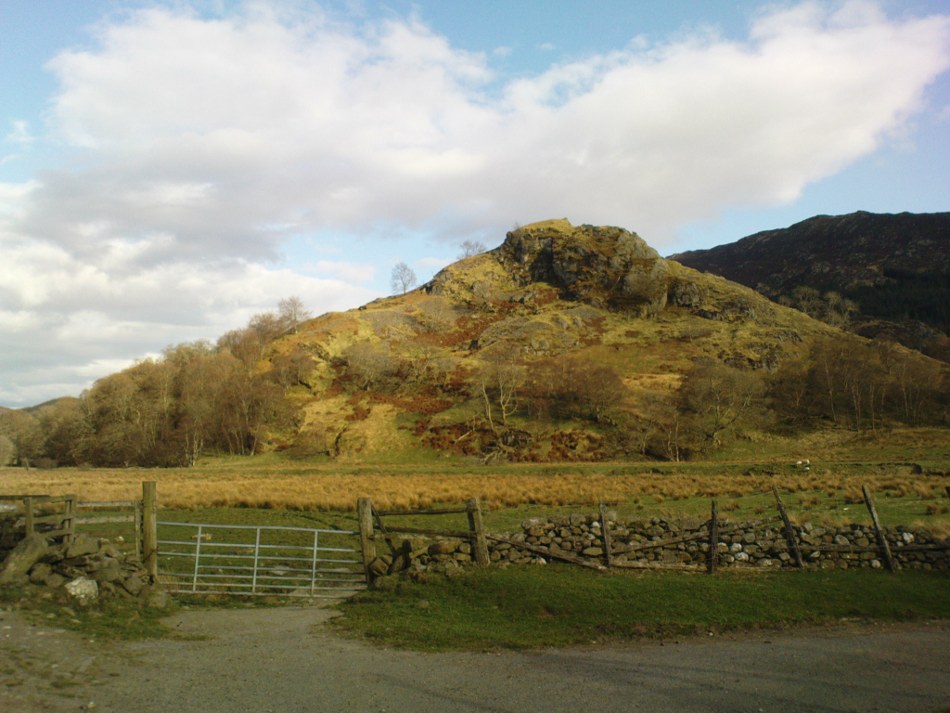
From Fortingall, get to the standing stone of Adamnan’s Cross a few miles down the stunning Glen Lyon.  Barely 100 yards before you reach the stone, notice the overgrown gorse-covered rocky rise across the road, just past Craigianie Farm.  As you climb to the top of this small rocky rise, you’ll see a cairn of stones on its top.  Just below it, into the solid rock, you’ll see a footprint-shaped hollow etched into the stone.  If it seems hidden, just keep looking – you’ll find it…

Archaeology & History

St. Palladius Stone, Glen Lyon

When Ratcliffe Barnatt (1944) visited Glen Lyon in the 1940s, this legendary rock was one of his stopping points.  “When we have passed by Ruskich and Slatich,” he wrote, “we come to that sacred spot, Craig Dianaidh, the Rock of Safety, where, until about 1480, solemn and judicial meetings were held.”  The old rock was known through recent ages, “as a preaching hill, a motehill and a justiciary court,” said Hilary Wheater (1981), and upon its top is the curious ‘footprint’ which Nature’s blood would fill on all but the hottest of summers.  It is this geological feature that gave the stone is name, long ago.

Of known historical events here, Wheater further told:

“It was on this rock…that the Baron Courts of Glenlyon were held.  Law and order was kept by regular courts held by the Chief or Landowner. The Baron-Bailiary of each area was appointed by Royal Charter.  Fifteen men were chosen as a jury and the laird or his baile presided.  To this court were brought all the problems and grievances of the people.  Here the miller accused several men of refusing to take part in the compulsory ‘hamganging’ of a new millstone; here a man was fined for brewing ale without a license; here a neighbour was accused of putting the ‘evil eye’ on the cow of the croft next door so it produced no milk; and here a man was prosecuted for ‘taking of ane sore horse of his to Rannoch in the summer of 1629 and putting on him ane great burder of timber, and letting him go through the wood where he stuck between two trees all night and the timber on his back.’  However, he was acquitted when he was able to prove that the horse was fit enough after this for another man to be able to take it to Edinburgh soon after.”

St Palladius Footprint

As well as being a moot site, it is more than probable that this footprint, like the one near the top of Dunadd in Argyll—and others scattering the Highlands and beyond—was an initiation stone, perhaps for local tribal elders or ancient kings.  Janet Bord (2004) writes about them as places of ritual inauguration in her survey of such places.

Folklore

The legendary site, looking south

This legendary rock would probably have had earlier mythic association than the one ascribing it to St. Palladius—but as yet I have found no written lore telling the nature of such a spirit, so would only perhaps discern the original genius loci by lengthy encounters with the rock in question, through mist and storm and wintry months, alone.  It is known in local folklore that Palladius was in fact an urisk: a solitary spirit of steep streams that few humans encounter due to their lonely habits amidst hidden abodes in dark and ancient gorges.  Such urisks dwelt in numbers amongst many of the steep falls in this landscape — and still do, if the words of old locals are to be believed. Here,

“St Palladius was a goblin saint, an urisk that dwelt in a mountain burn and was sanctified by the people.”

…and some rocks by the stream up the mountain immediately above this “footprint” was one of the places the urisk was known to dwell.

…to be continued…

References:

  1. Barnatt, T. Ratcliffe, The Road to Rannoch and the Summer Isles, John Grant: Edinburgh 1944.
  2. Bord, Janet, Footprints in Stone, Heart of Albion Press 2004.
  3. Fraser, Duncan, Highland Perthshire, Standard Press: Montrose 1969.
  4. Wheater, Hilary, Aberfeldy to Glenlyon, Appin Publications: Aberfeldy 1981.

© Paul Bennett, The Northern Antiquarian


St. Fillan’s Chair, Dundurn, Comrie, Perthshire

Legendary Rock:  OS Grid Reference – NN 7081 2325

Also Known as:

  1. Canmore ID 24876
  2. Dundurn
  3. Fillan’s Chair
  4. St. Fillan’s Bed

Getting Here

Dundurn, near St. Fillans

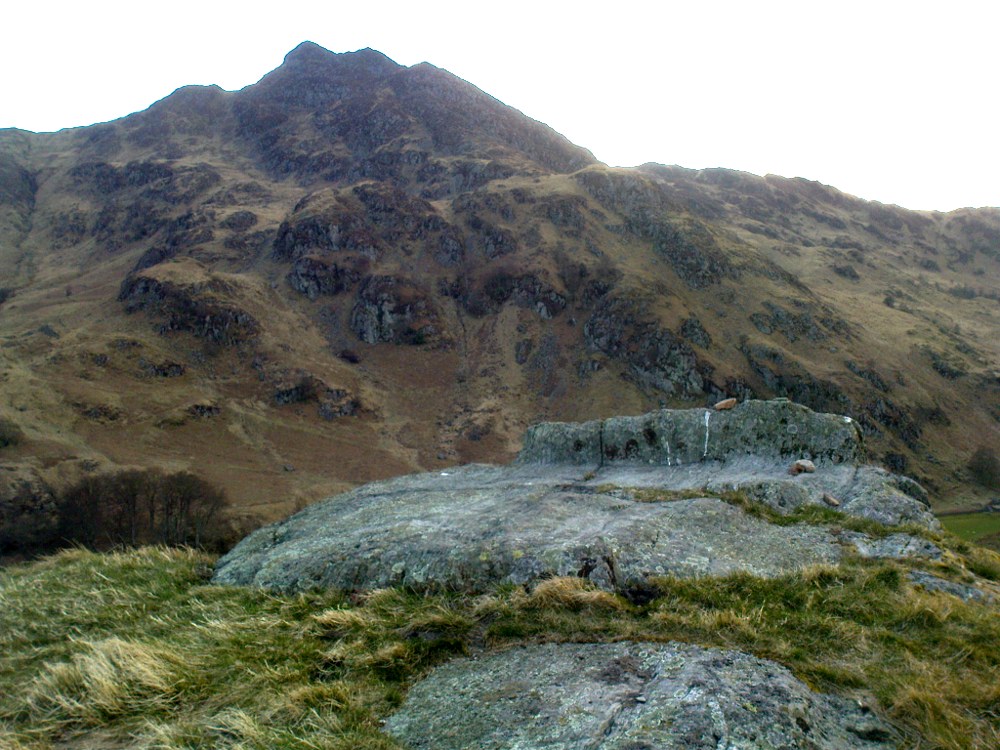
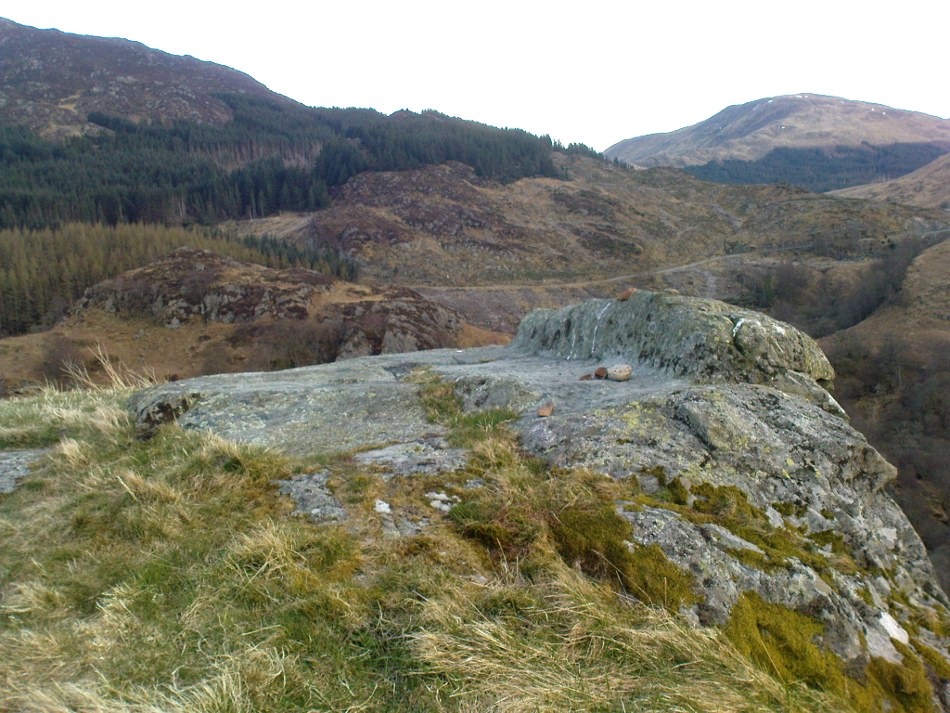
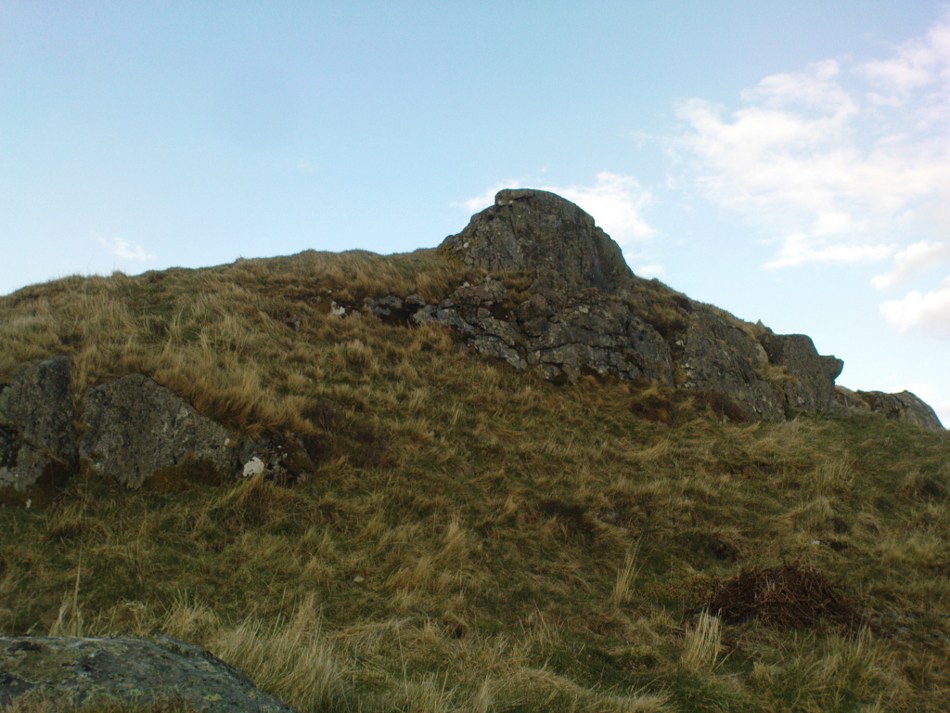
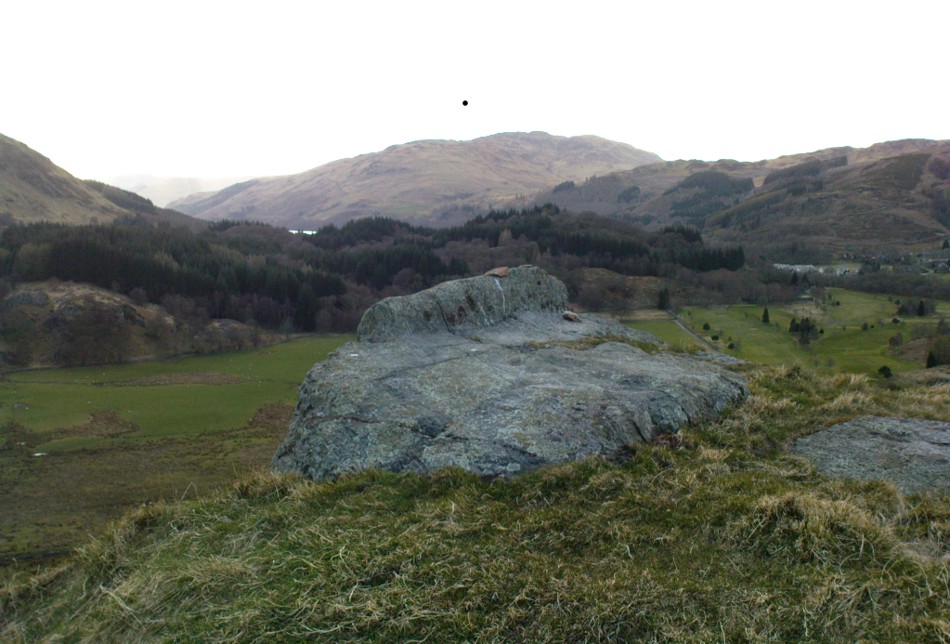
Not hard to find. Between the small towns of Comrie and St. Fillans along the A85 road, keep your eyes peeled for the small but rocky crags that rise in front of the background of dramatic mountains not far from the roadside to the south. It looks truly majestic even on a dull day. Just as you reach the eastern edge of St. Fillans village, take the small road over the river-bridge and go to the golf club. Walk past the golf club itself, keeping along the track that leads you to Dundurn hill.  It’s easy enough. Then climb to the very top of the hill where you’ll find this curious, large, flat bed-like rock right in front of you!

Archaeology & History

The rocky bed or 'chair' of St Fillan
St Fillan’s rocky bed or ‘chair’

The archaeological data for St. Fillan’s Chair relates more to the folklore practices of the people upon Dundurn hill than anything else and ostensibly little can be said by such students. The place is more satisfying for geologists than archaeologists, who would adore the rocky fluctuations and geophysical propensities with greater verve than any archaeologist could muster! For this rocky bed-shaped feature is a fascinating structure whose only potential interest to archaeologists are what may be a couple of reduced cup-marks on the top of the stone (and even then, such potential rock art is more the province of religious historians and anthropologists than archaeologists).

Small quartz offerings left on St Fillan's Chair at Beltane
Small quartz offerings left on St Fillan’s Chair at Beltane
The view of the Chair from below
View of the Chair from below

But this ‘bed’ or ‘chair’, as it was locally known, was – and it seems, still is – important in the social history of the area, as its folklore clearly tells.  The ‘chair’ plays an important part in the holistic role of Dundurn as a hill, a fort, a healing centre, an inauguration site, and very probably an omphalos: a sacred centre whereupon the ordination of shamans, kings and the cosmos as a whole was brought to bear here… (these features will be explored in greater depth when I write a singular profile of Dundurn as a ‘fort’).

Folklore

Looking west over St Fillan's Chair
Looking west over St Fillan’s Chair

The character of St. Fillan was described by James Cockburn (1954) as “an Irish Pict” and the “son of a King – his father being Angus mac Nadfraich who died in battle in 490 AD.”  Quite an important dood in his day! The relationship this early christian figure had with this Chair was in its supposedly curative properties.  Yeah…you read it right: curative properties!  As with countless rocks all over the world, some of Nature’s outcrop boulders were imbued with a spirit of their own and, when conditions and/or the cycle of the spirit ‘awoke’, healing attributes could be gained from the place. And such was the case at St. Fillan’s Chair, especially on Beltane morning (May 1).  And some element of this traditional pilgrimage is still done; for when the author Marion Woolley and I visited the site on Mayday 2013, it was obvious that some people had been up earlier that Beltane morning and left some offerings of quartz stones on the top end of the bed.

The earliest written reference of this medicinal virtue was told in the Old Statistical Account of Perthshire (1791):

The rock on the summit of the hill, formed, of itself, a chair for the saint, which still remains. Those who complain of rheumatism in the back, must ascend the hill, sit in this chair, then lie down on their back, and be pulled by the legs to the bottom of the hill. This operation is still performed, and reckoned very efficacious.

More than a hundred years later, the sites was still being used and was described in similar vein in MacKinlay’s (1893) excellent study:

“On the top of green Dunfillan, in the parish of Comrie, is a rocky seat known in the district as Fillan’s Chair. Here, according to tradition, the saint sat and gave his blessing to the country around. Towards the end of last century, and doubtless even later, this chair was associated with a superstitious remedy for rheumatism in the back. The person to be cured sat in the chair, and then, lying on his back, was dragged down the hill by the legs. The influence of the saint lingering about the spot was believed to ensure recovery.”

The origins of this dramatic rite were probably pre-christian in nature and we should have little doubt that St. Fillan replaced the figure of a shaman or local medicine woman of some sort. The ritual “dragging down the hill” may be some faint remnant of initiation rites…

References:

  1. Cockburn, James H., The Celtic Church in Dunblane, Friends of Dunblane Cathedral 1954.
  2. Eliade, Mircea, Rites and Symbols of Initiation, Spring: Woodstock 1995.
  3. Finlayson, Andrew, The Stones of Strathearn, One Tree Island: Comrie 2010.
  4. Hunter, John, Chronicles of Strathearn, David Philips: Crieff 1896.
  5. MacKinlay, James M., Folklore of Scottish Lochs and Springs, William Hodge: Glasgow 1893.
  6. Shearer, John, Antiquities of Strathearn, David Philips: Crieff, 1883.
  7. Skene, William F., Celtic Scotland (3 volumes), Edmonston & Douglas: Edinburgh 1876-1880.
  8. Toulson, Shirley, Celtic Journeys in Scotland and the North of England, Fount: London 1995.

Links:

  1. Nataraja’s Foot: The Curious Incident of Dundurn

© Pual BennettThe Northern Antiquarian