St. John’s Stone, Leicester, Leicestershire

Standing Stone (destroyed): OS Grid Reference – SK 5779 0644

Also Known as:

  1. Little John’s Stone

Archaeology & History
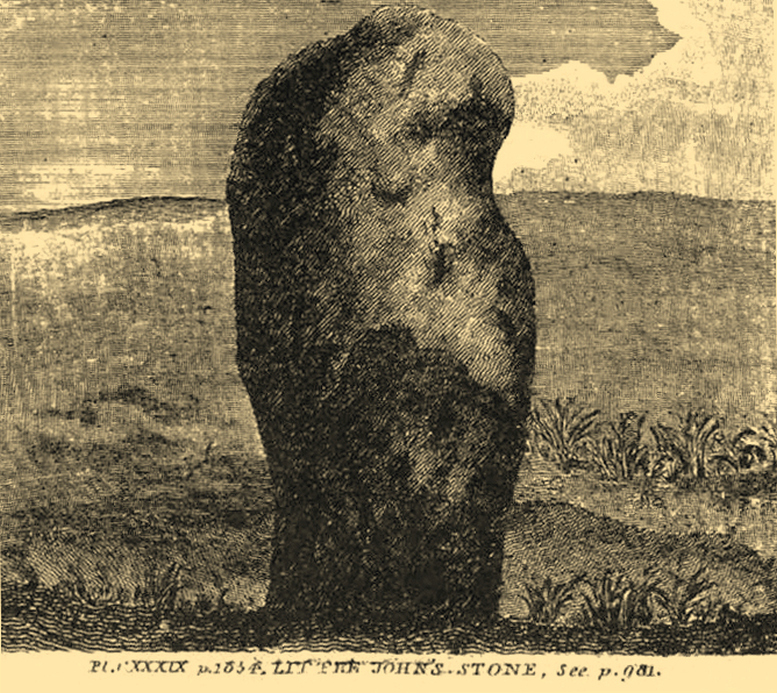
Nichols 1804 drawing

This once impressive megalithic site was first mentioned in 1381, giving its name to the field Johnstone Close.  Shown on the early Ordnance Survey maps standing on a raised portion of land in an area north of the modern town centre, not far from the Abbey, its destruction had been a slow one until it finally disappeared about a hundred years ago.  One of the early descriptions of it was by John Nichols (1804) in his immense series of works on the county.  He called it ‘Little John’s Stone’* and gave us the first known illustration of the monolith (right), telling it to be “7 feet 2 inches high, and 11 feet 3 inches wide”—although he obviously meant circumference and not ‘wide’, as his illustration clearly shows.  Although this slight error was perhaps the reason that Historic England proclaimed the stone to have been little more than “a natural feature”—which it clearly wasn’t.
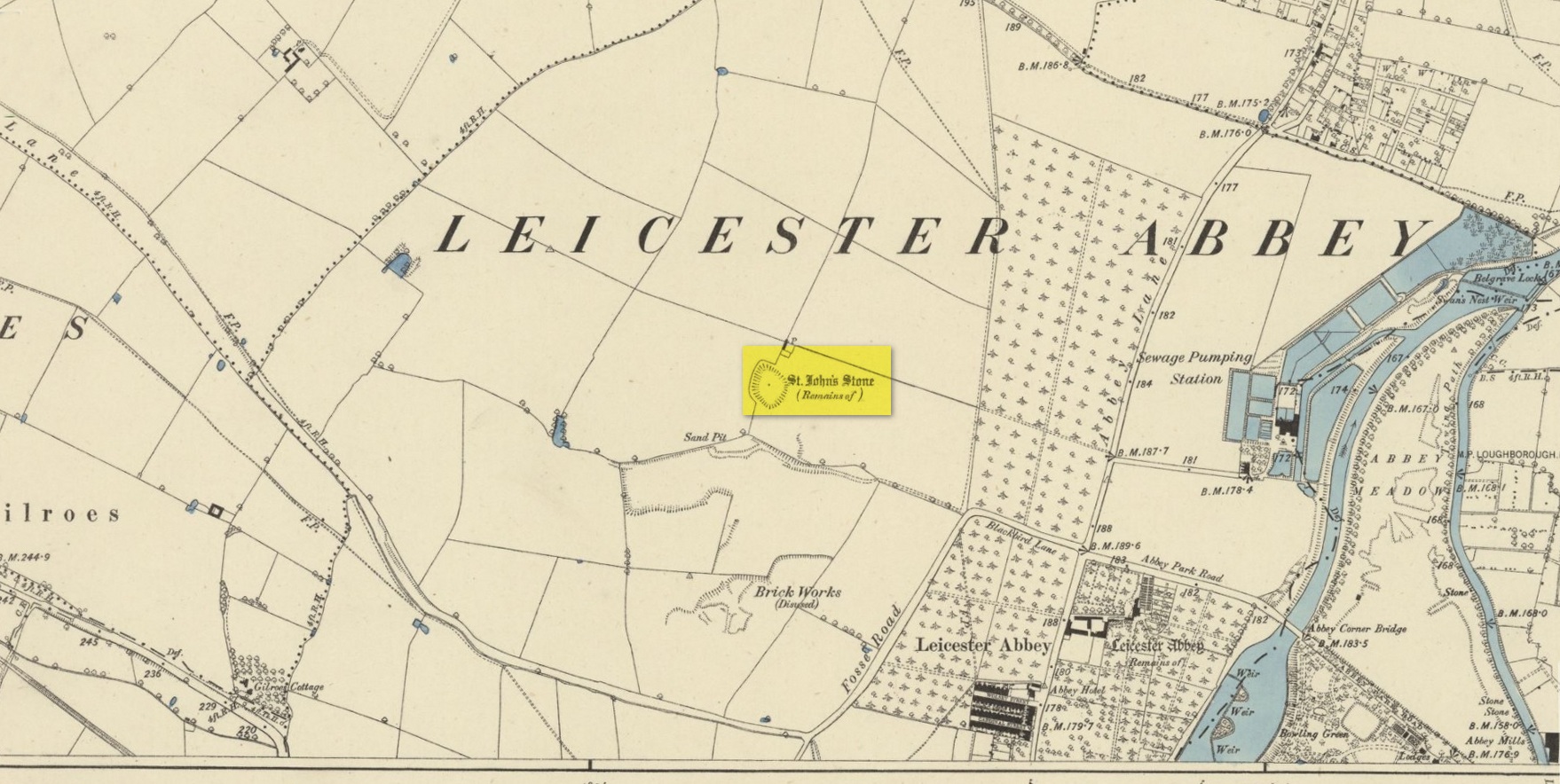
Stone shown on 1885 map
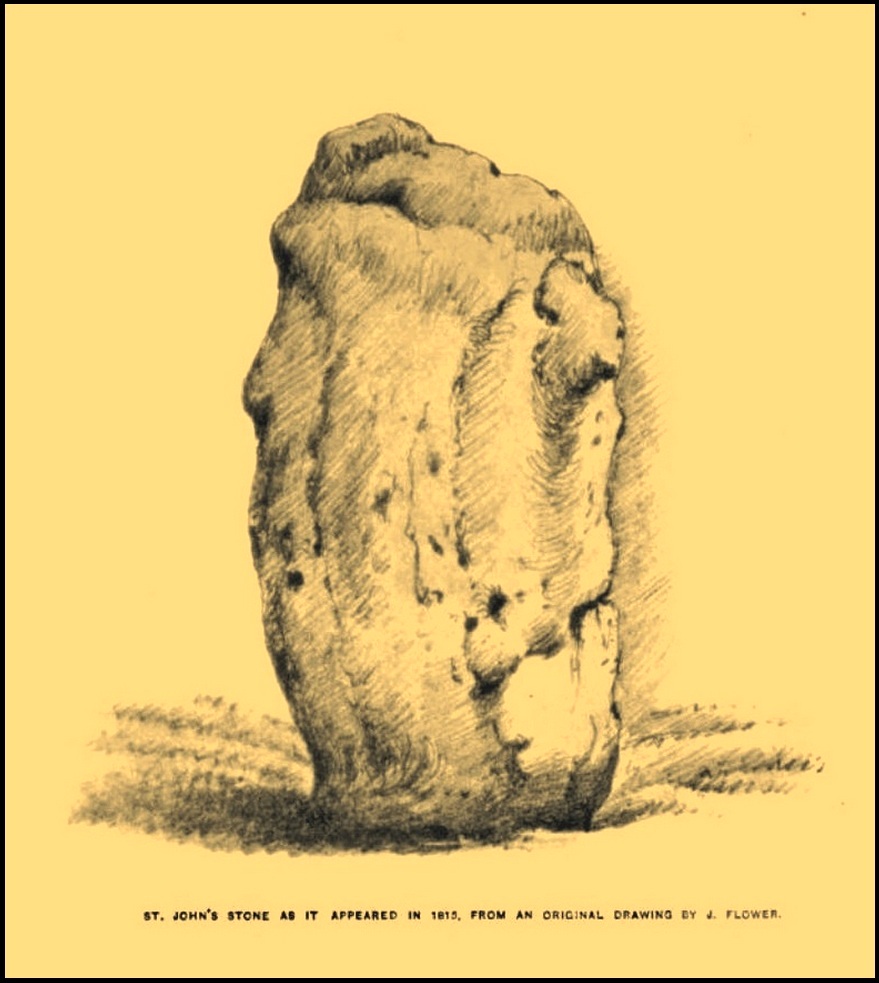
John Flower’s 1815 sketch

The stone stood in what Nichols called “a kind of amphitheatre”, and what James Hollings (1855) subsequently called a sloping hollow which, he thought, had “been excavated by the hand of man.”  It was located “in a meadow, a little to the west of the Fosse-way,” he said, “not far from the ancient boundary wall of the Abbey of St. Mary de Pratis.”  There’s little doubt it was a prehistoric standing stone.  Hollings described it as standing erect and told it to be one of those “monolithic erections, or hoar stones, anciently sanctified by the rites of Druidic worship,” comparing it to “similar rude columns” in Cornwall, Scotland and just about everywhere!  He also told that it was a place of summer solstice gatherings, being

“in the memory of many living, annually visited about the time of Midsummer by numerous parties from the town in pursuance of a custom of unknown antiquity.”

When James Kelly (1884) wrote about the stone, little was left of it save at ground level.  He repeated much of what Hollings had previously written, but had a few notes of his own.  One related to the local mayor and MP for Leicester, Mr Richard Harris, dated January 1853, who told him:

“When a boy, he had frequently played on the spot where it was customary for the children to resort to dance round the stone (which he thought was about eight feet high), to climb upon it and to roll down the hill by which the stone is in part, encircled.  The children were careful to leave before dark, as it was believed that at midnight the fairies assembled and danced round the stone.”

More than fifty years later when Mrs Johnson (1906) wrote about the place she said that only a small section of the stone still remained, just “a few inches above the earth.”  It had been incrementally “broken to pieces down to the surface of the ground and used to mend the road.” (Kelly 1884)  Alice Dryden (1911) lamented its gradual demise in size, summarizing:

“At the beginning of the nineteenth century it was about 7 feet high, but by the year 1835 it had become reduced to about 3 feet.  In 1874, according to the British Association’s Report, it was about 2 feet high, and it has now completely disappeared.”

Local tradition tells that some small pieces of St John’s Stone were moved to the nearby St. Luke’s church, where bits of it can still be seen.  Has anyone found them?

More recent lore has attributed St John’s Stone to have been aligned with the Humber Stone (SK 62416 07095) nearly 3 miles to the east, in a summer solstice line—but it’s nowhere near it!  A similar astronomical attempt said that the two stones lined up with the Beltane sunrise: this is a little closer, but it still doesn’t work.  The equinox sunrise is closer still, but whether these two stones were even intervisible is questionable.

* this was probably the name it was known by local people who frequented the nearby Robin Hood public house (long gone); its saintly dedication being less important in the minds of Leicester’s indigenous folk. 

References:

  1. Cox, Barrie, The Place-Names of Leicestershire – volume 1, EPNS: Nottingham 1998.
  2. Devereux, Paul, “The Forgotten Heart of Albion,” in The Ley Hunter, no.66, 1975.
  3. Dryden, Alice, Memorials of Old Leicestershire, George Allen & Sons: London 1911.
  4. Hollings, James Francis, Roman Leicester, LLPS: Leicester 1855.
  5. Kelly, William, Royal Progresses and Visits to Leicester, Samuel Clarke: Leicester 1884.
  6. Nichols, John, The History and Antiquities of Leicestershire – volume 3: part 2, J. Nichols: London 1804.
  7. Johnson, T. Fielding, Glimpses of Ancient Leicester, Clarke & Satchell: Leicester 1906.
  8. Trubshaw, Bob, Standing Stones and Markstones of Leicestershire, Heart of Albion Press 1991.

Acknowledgements:  Huge thanks for use of the Ordnance Survey map in this site profile, reproduced with the kind permission of the National Library of Scotland

© Paul BennettThe Northern Antiquarian

Stump Cross, Bramley, Leeds, West Yorkshire

Cross (destroyed):  OS Grid Reference – SE 2546 3537

Archaeology & History

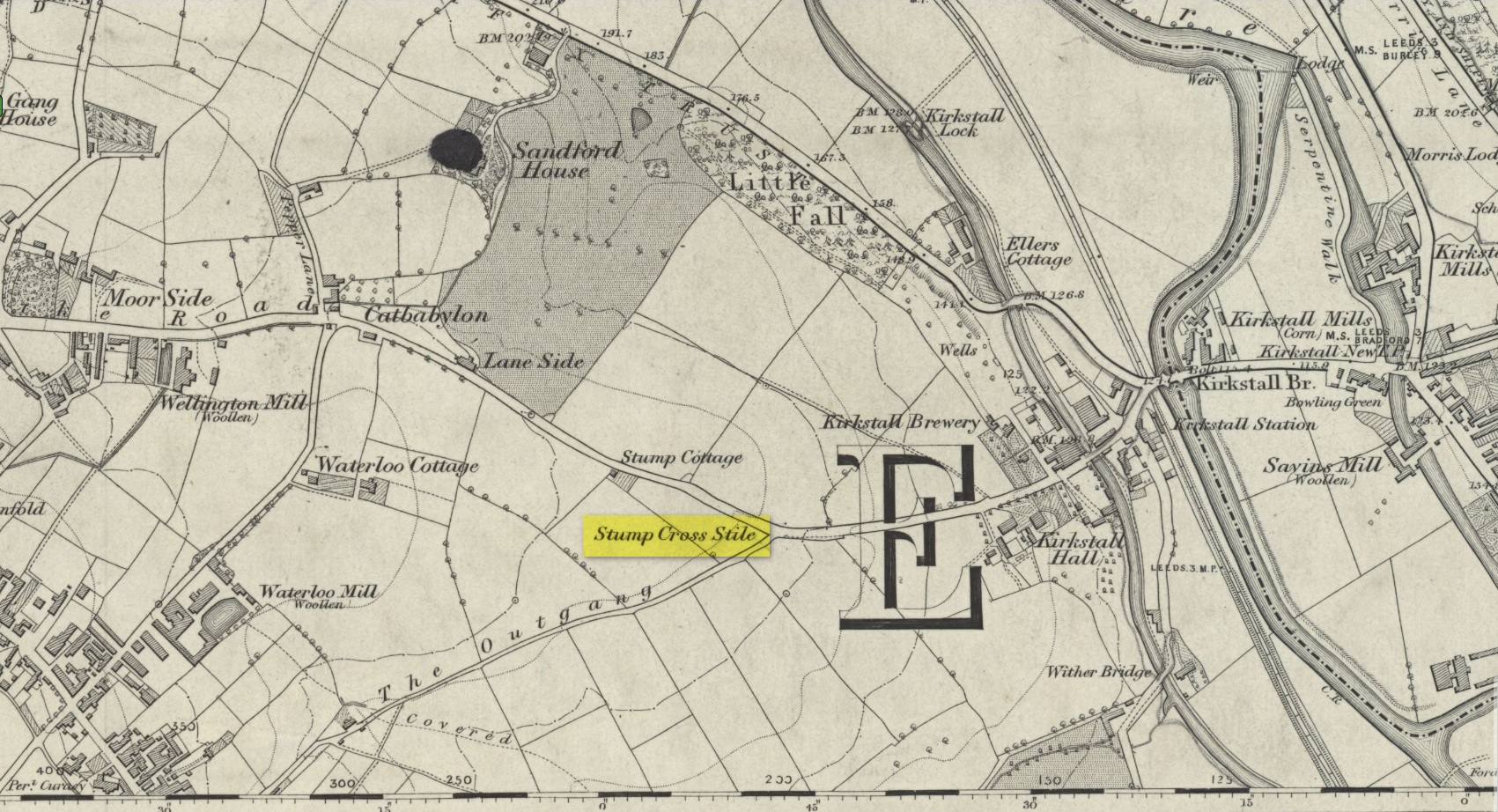
Location of the old cross

In medieval times an old stone cross was erected at the edge of Bramley where two old tracks once met, and which today is the junction where Broad Lane meets with Outgang Lane.  The cross is long gone – and even the stone cross base on which it stood no longer existed when the Ordnance Survey lads came here in the 1840s.  All that remained when they came here were the place-names which have forever kept a memory of its former existence: Stump Cross Stile and Stump Cottage.  It was mentioned, albeit briefly, in Wardell’s (1890) survey of Kirkstall Abbey where he told simply that a

“stone cross formerly stood some distance south of the Abbey by the side of the Old Road to Bradford, at the junction of the lane leading to Bramley, called the Outgang, but no remains of it are left; the site, however, is still known by the name of ‘Stump Cross Stile.’  Whether this cross marked the extent of some boundary, or was erected by the monks or others for the purposes of devotion for wayfarers, I am unable to ascertain.”

References:

  1. Wardell, James, An Historical Account of Kirkstall Abbey, Yorkshire, Samuel Moxon: Leeds 1890.

Acknowledgements:  Huge thanks for use of the Ordnance Survey map in this site profile, reproduced with the kind permission of the National Library of Scotland

© Paul BennettThe Northern Antiquarian
Killingbeck Cross, Leeds, West Yorkshire

Cross (destroyed):  OS Grid Reference – SE 3071 3463

Archaeology & History

In James Wardell’s (1890) work on Kirkstall Abbey he describes several of the long lost stone crosses that used to exist in the area.  This one,

“formerly stood by the road side at the south end of Sheepscar Bridge, in Leeds.”

The cross had already been destroyed by the time the Ordnance Survey lads explored the area in the 1840s, as there’s no showing of it on any of their maps.  Wardell further stated that it was,

“called Killingbeck Cross, from being erected by either the Abbot of Kirkstall or the Vicar of Leeds, of that name.”

References:

  1. Wardell, James, An Historical Account of Kirkstall Abbey, Yorkshire, S. Moxon: Leeds 1890.

© Paul BennettThe Northern Antiquarian
Snowden Carr, Askwith, North Yorkshire

Cairnfield:  OS Grid Reference – SE 1777 5099

Getting Here

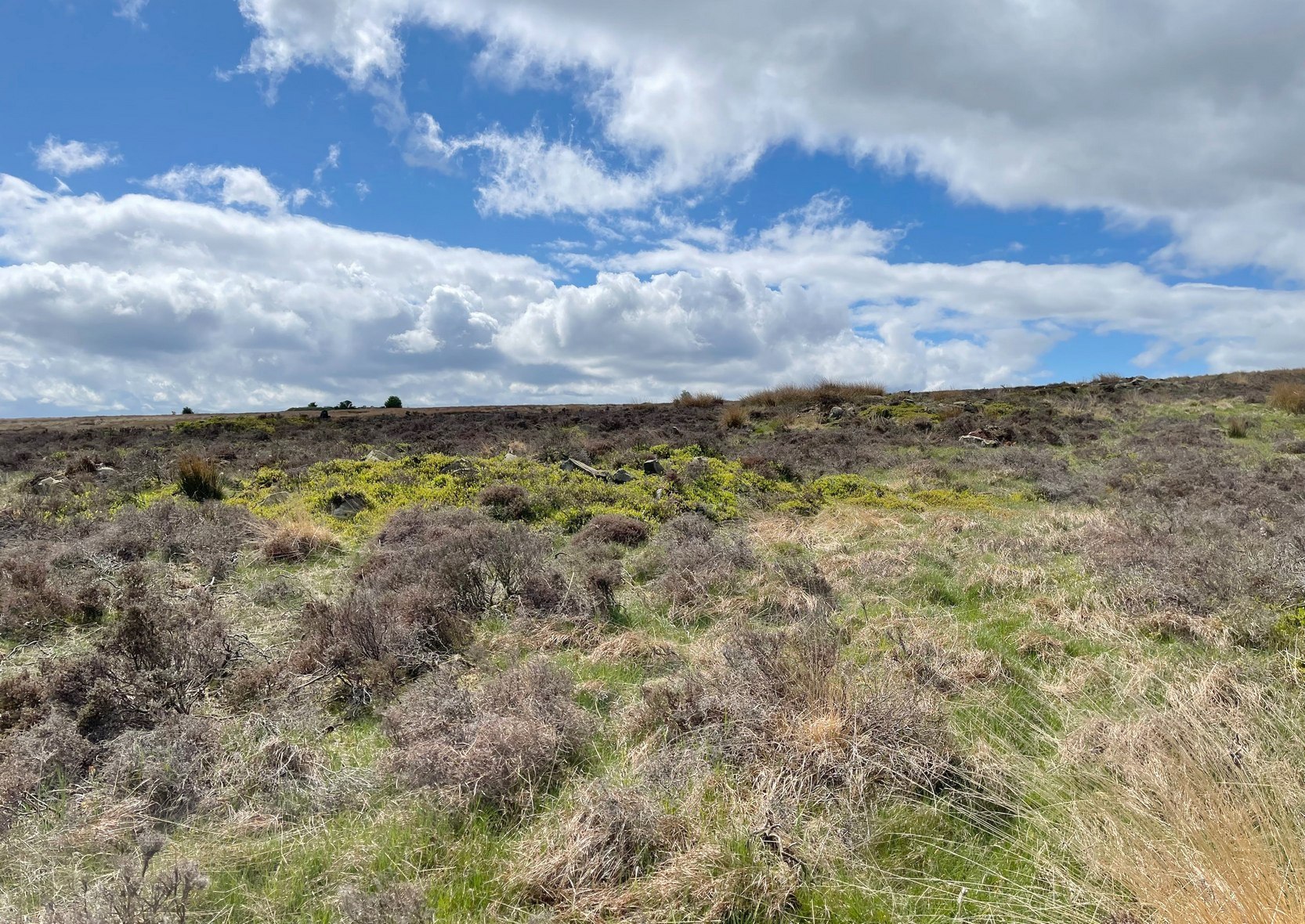
Cairns, front & rear

Park up at the singular dusty car-park on the east-side of Askwith Moor Road.  If you walk to the sloping eastern edge of the car-park and then go down and over the collapsed fence onto the moorland immediately east, walk in the direction of the Tree of Life Stone to the north-east (be aware that there’s no footpath here and it’s boggy as fuck in places) .  Just over halfway towards the carving, nearly 400 yards from where you’ve parked, you’ll begin to see various ruinous piles and scatters of stone.  You can’t really miss them!

Archaeology & History

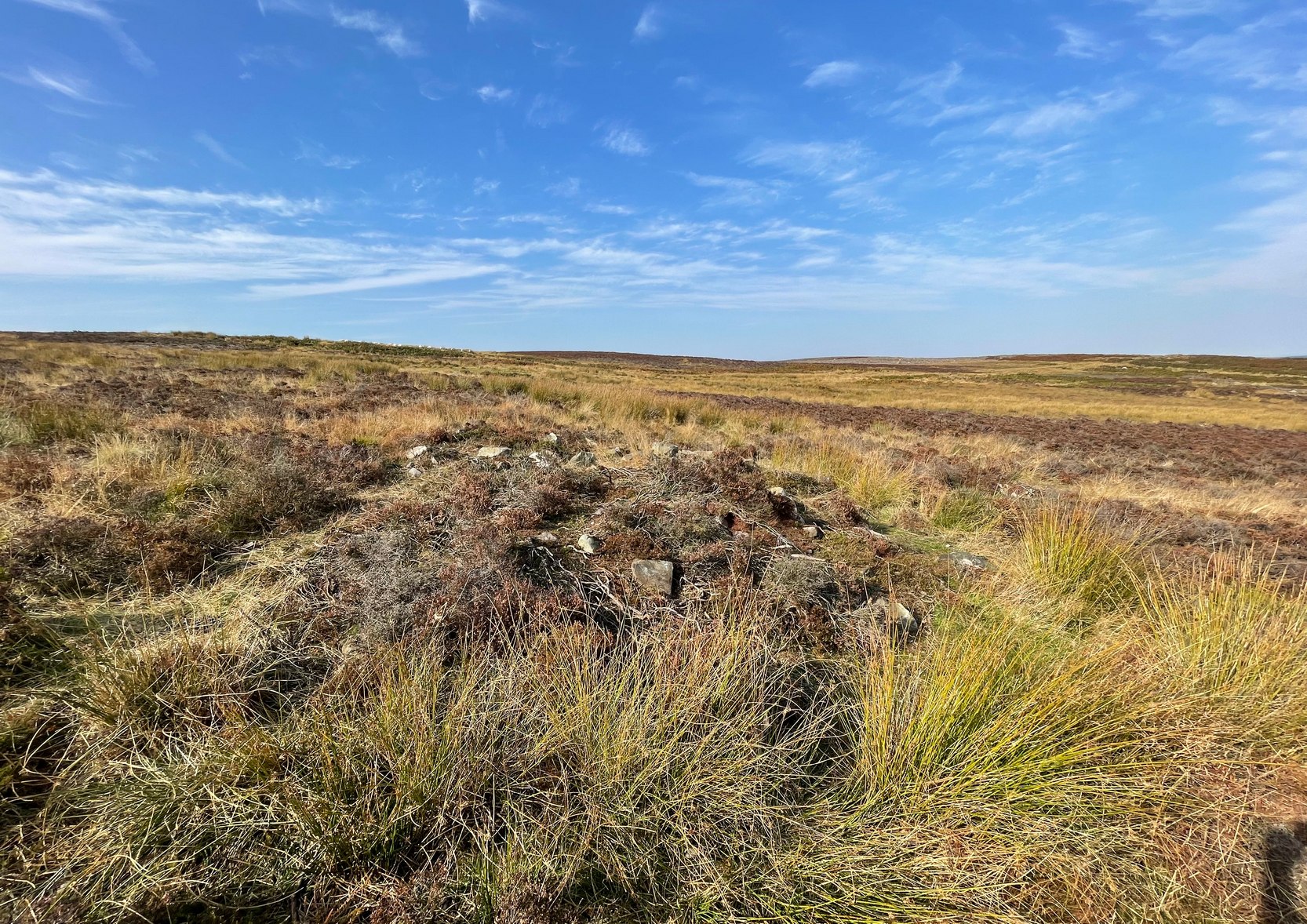
Cairn, looking north

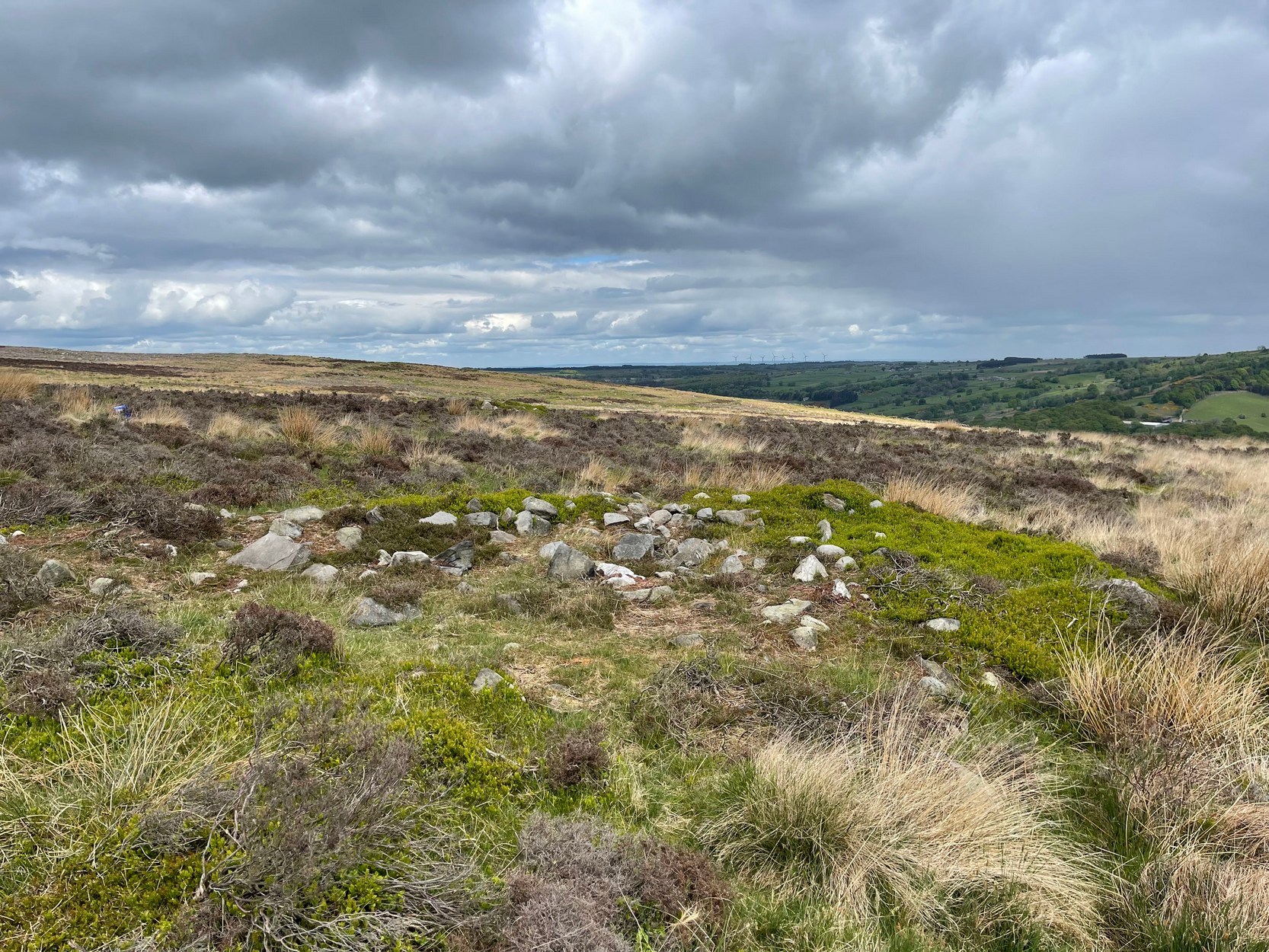
In a region teeming with prehistoric sites, the great Eric Cowling (1937) seems to have been the person who stumbled across this “barrow group”, as he called it, during one of his rock art forays in this neck o’ the woods.  Little has been written of them since.  Not to be confused with the Snowden Moor cairnfield more than 350 yards to the north, at this place we find at least a dozen quite distinct cairns scattered around the grid-reference cited, most of them much larger in size than the cairns to the north, ranging between five to twelve yards across and up to three feet high.  They have all been opened and robbed, with considerable disturbance on the largest of the ‘barrows’.  We know not who may have done this, but there’s been a history of quarrying close by and it may have been some of the workmen who did the damage, knowingly or otherwise.

Large scatter of cairn-spoil
Cairn covered in bilberries!

As far as I’m aware, no burial or funerary remains have been found here—but there’s been negligible archaeological attention given to any of the sites on this moorland, meaning that we can draw no real conclusions about the nature of the cairns.  They seem to be far too large to be clearance cairns; and the proximity of large scale prehistoric settlements and rock art all round here would strongly suggest they possessed a funerary nature.  Several impressive petroglyphs exist right at the edge of this group, literally yards away from them.  Check them all out out the next time you see the Tree of Life stone

References:

  1. Cowling, Eric T., ‘Cup and Ring Markings to the North of Otley,’ in Yorkshire Archaeological Journal, volume 33 (part 131), 1937.
  2. Cowling, Eric T., Rombald’s Way: A Prehistory of Mid-Wharfedale, William Walker: Otley 1946.

© Paul BennettThe Northern Antiquarian
Snowden Carr (596), Askwith Moor, North Yorkshire

Cup-Marked Stone:  OS Grid Reference – SE 17959 51141

Getting Here

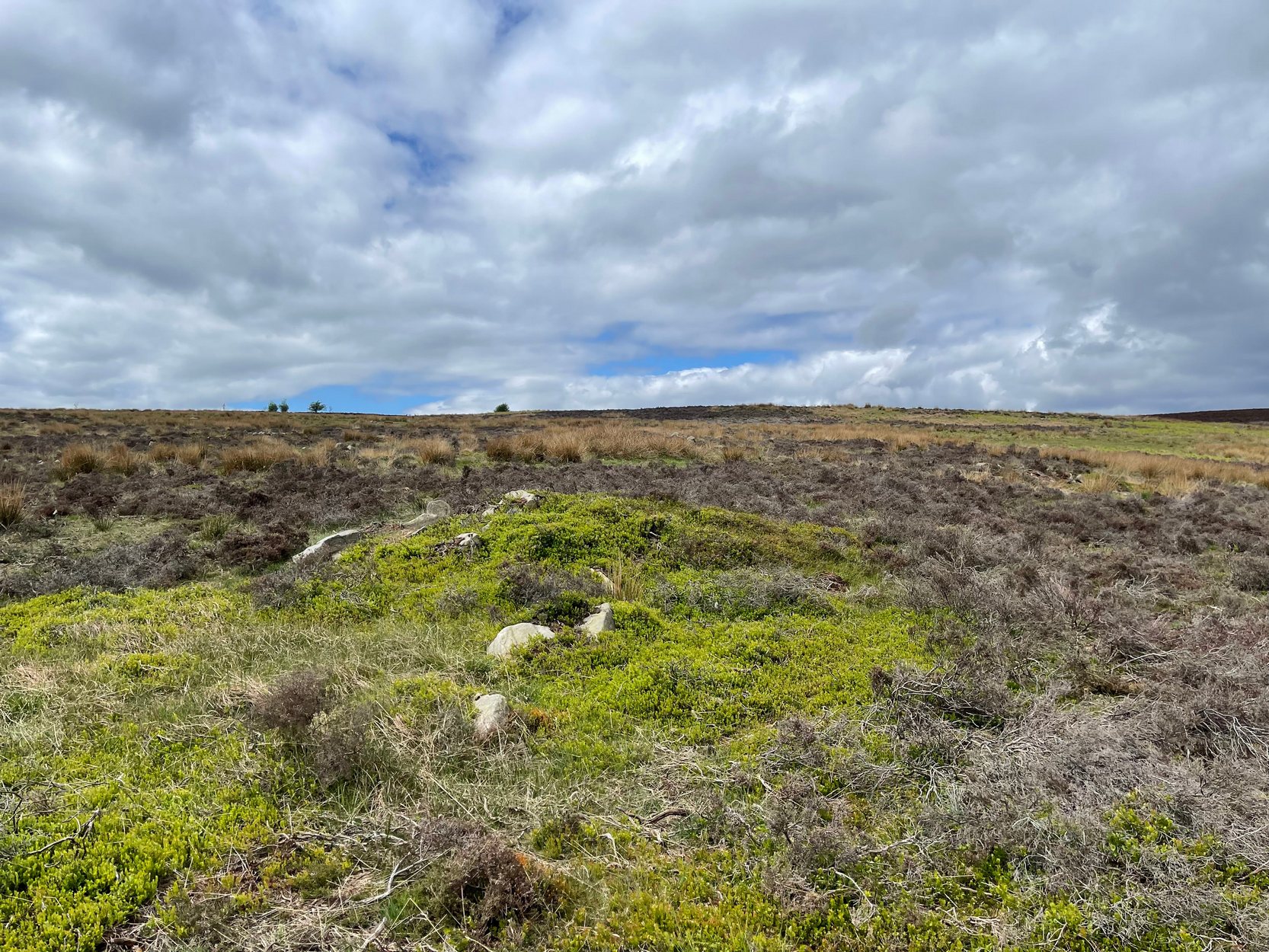
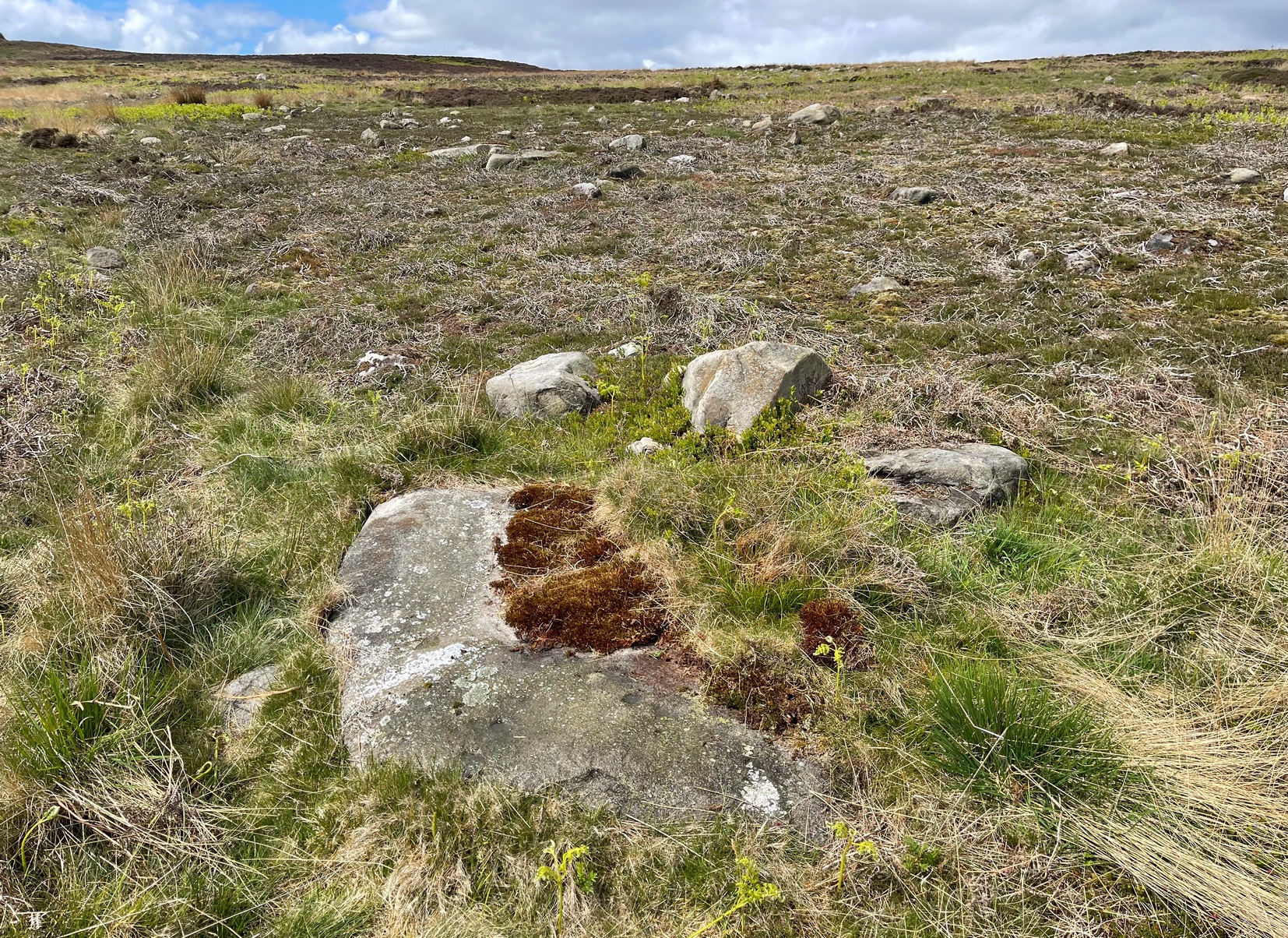
Carved stone in foreground

If you’re looking for this carving, you’ll have been to the impressive Tree of Life stone first.  From there, you need to walk further away from the walling, 30-35 yards southwest, across the other side of the footpath.  There’s a scattered mass of stones all over the ground here: you’re looking for a low-lying long curved stone—longer than most of them hereby.  If the heather’s grown back over the stone, it might take some finding!

Archaeology & History

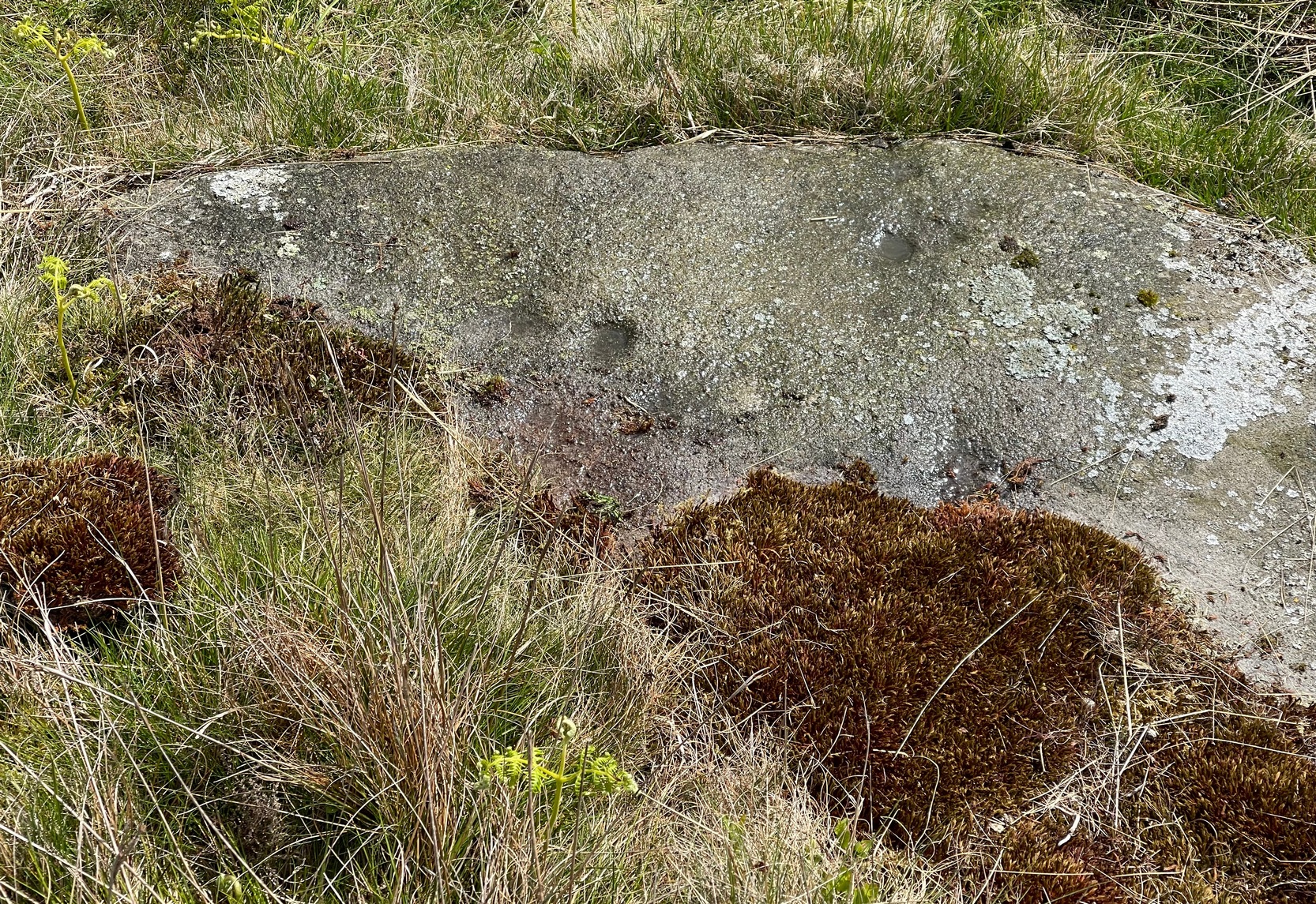
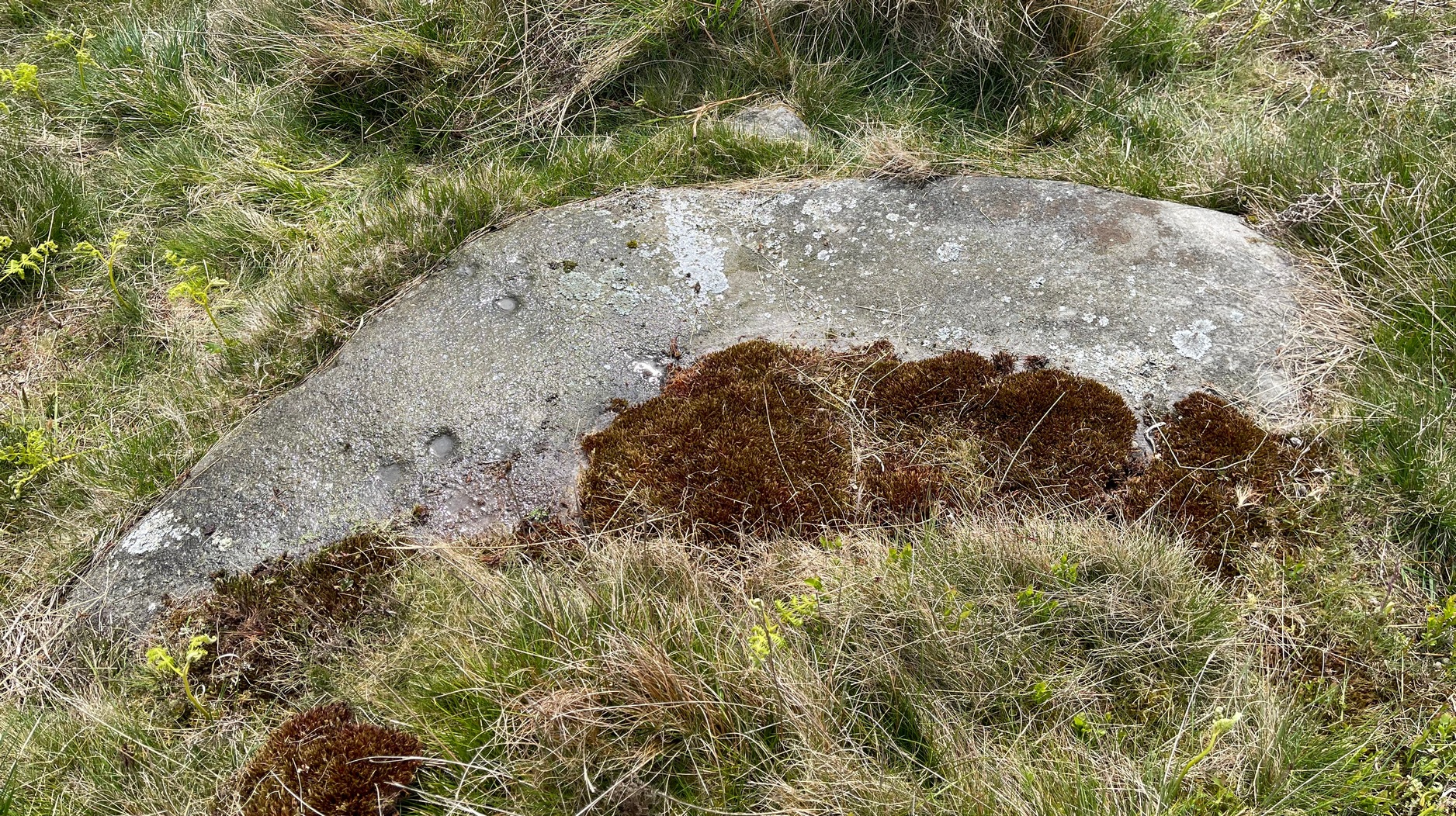
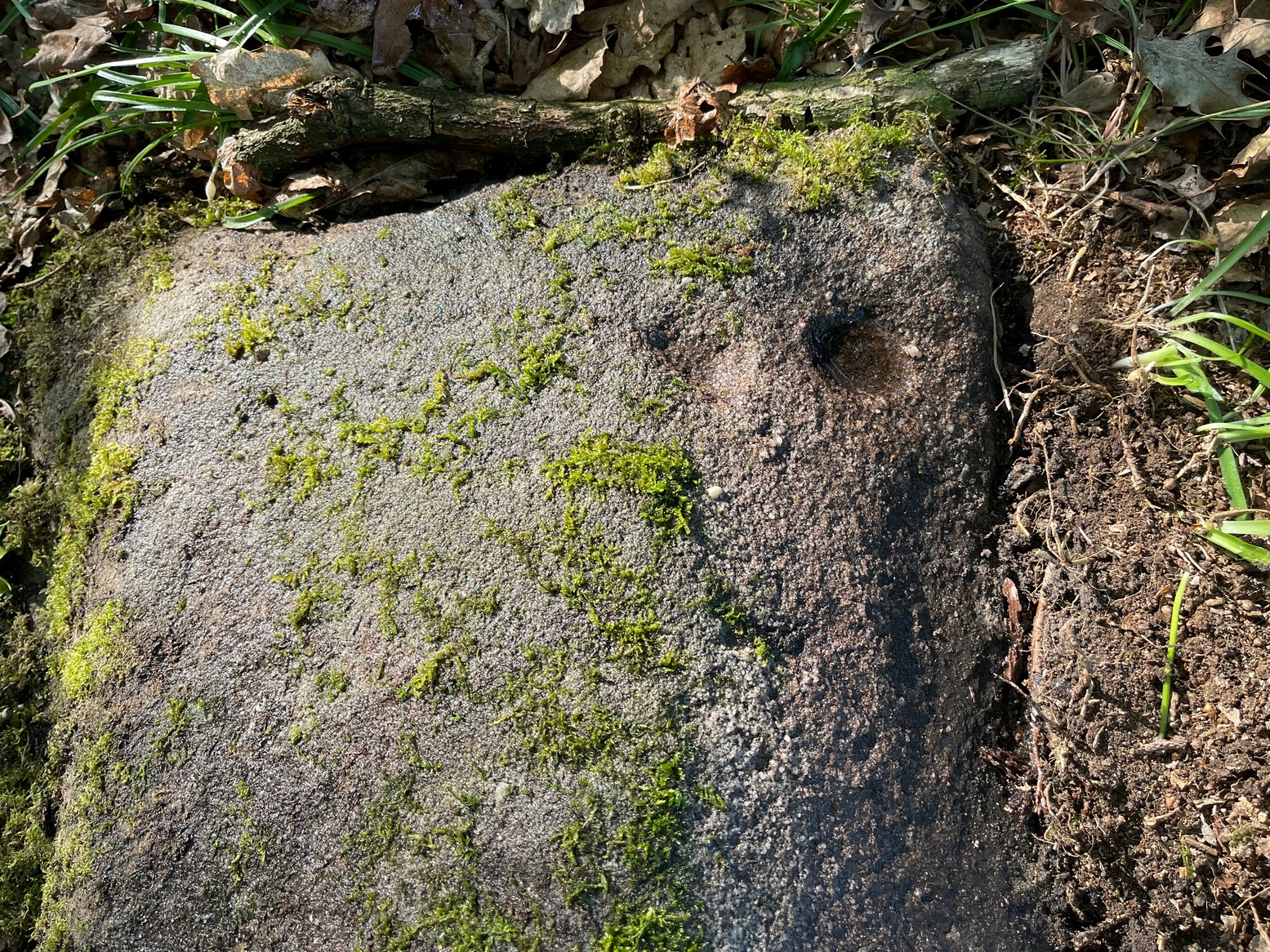
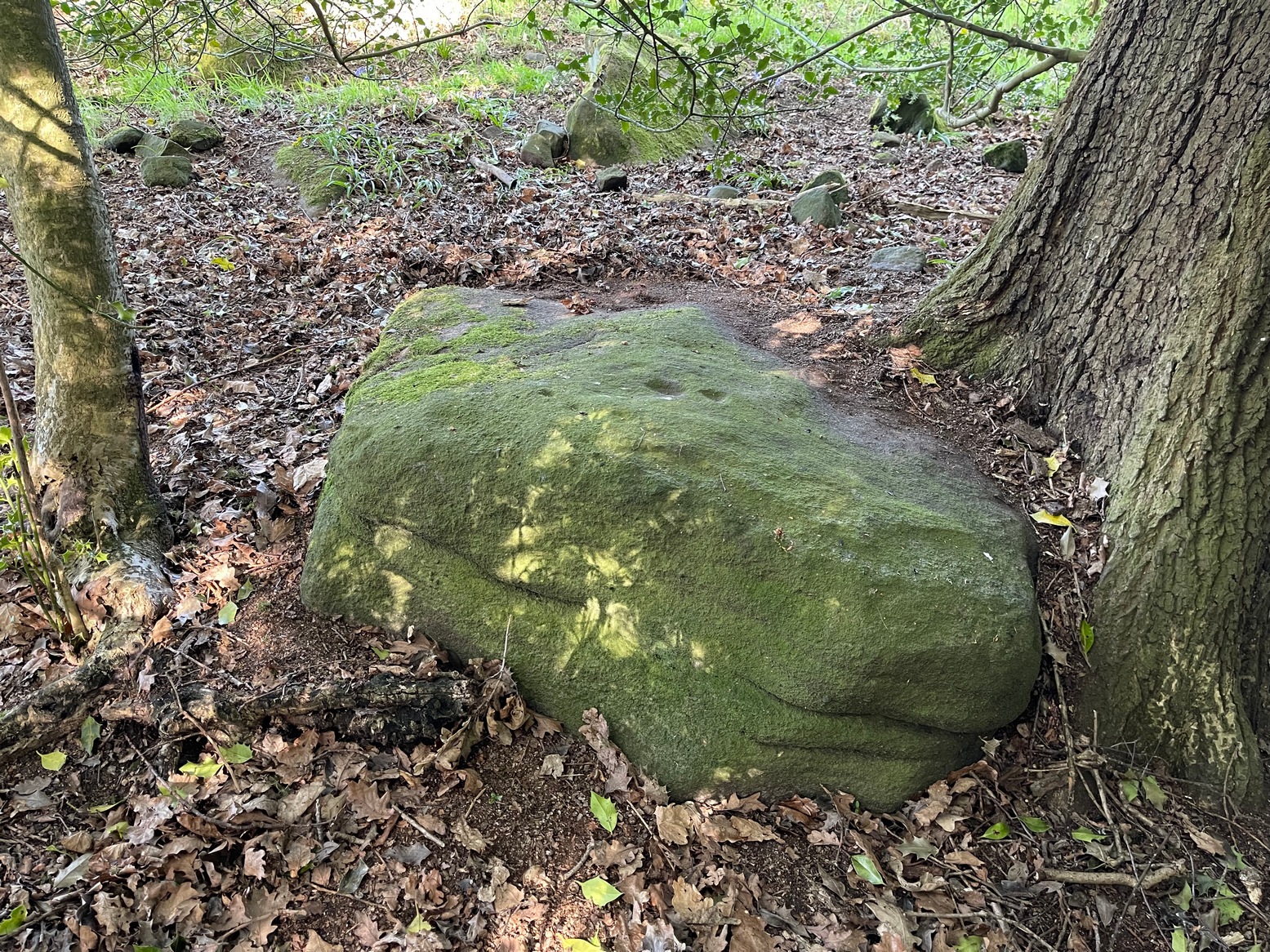
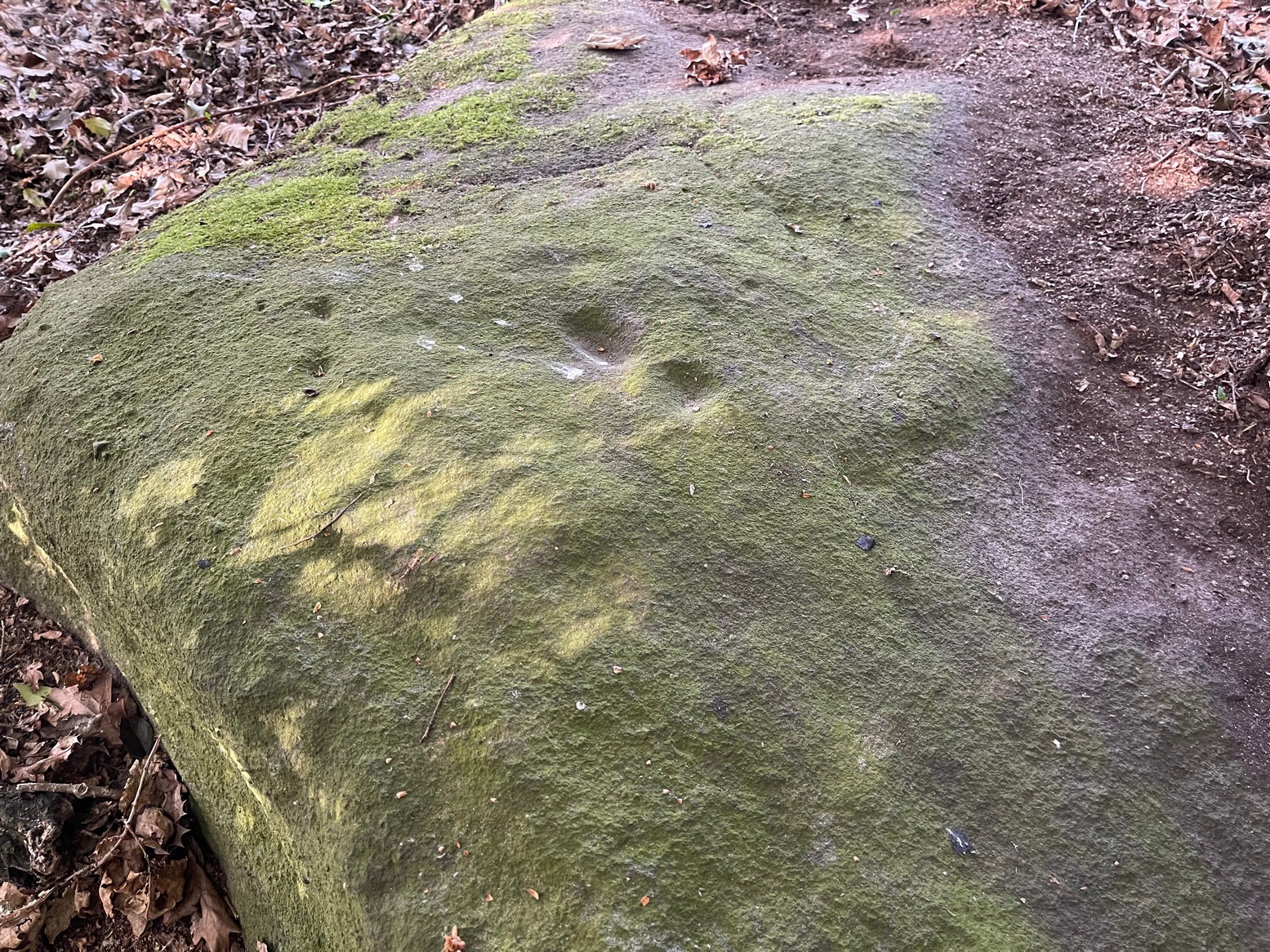
Close to a line of prehistoric walling (seemingly a section of a settlement), this typically curvaceous female stone is possessed of two pairs of faint cup-marks on the eastern side of the rock.  It was included in Boughey & Vickerman’s (2003) survey where they described the carving as being, “two small cups visible and two further cups under heather.”  A third possible cup exists close to one of the pairs. The carving is found in an area rich in untouched prehistoric remains. 

References:

  1. Boughey, Keith & Vickerman, E.A., Prehistoric Rock Art of the West Riding, WYAS 2003.

© Paul BennettThe Northern Antiquarian
 

Intake Farm, Hawksworth, West Yorkshire

Cup-Marked Stone:  OS Grid Reference – SE 15867 41244

Getting Here

Intake Farm carving

In Hawksworth village, less than 100 yards past the primary school, take the footpath on your left into the open fields.  200 yards down the fields, go over the stile on your right, into the next field and walk diagonally across it (SW) for 250 yards until you reach the wall; then walk alongside it, west, for another 150 yards where the walling goes due south and walk down here for 135 yards, going through the gate at the bottom into the next field and, at the bottom of this one go through the gate and bear right.  OK, now walk along the wall-side for 55 yards and you’re just about standing on it!  Alternatively you can reach it via the Hawksworth Spring (1) and (4) carvings, following the wall along for roughly 150 yards till you reach the gate. Go through here and walk diagonally NNW across the field for nearly 150 yards where you’ll see the stone stuck out in front of the wall.

Archaeology & History

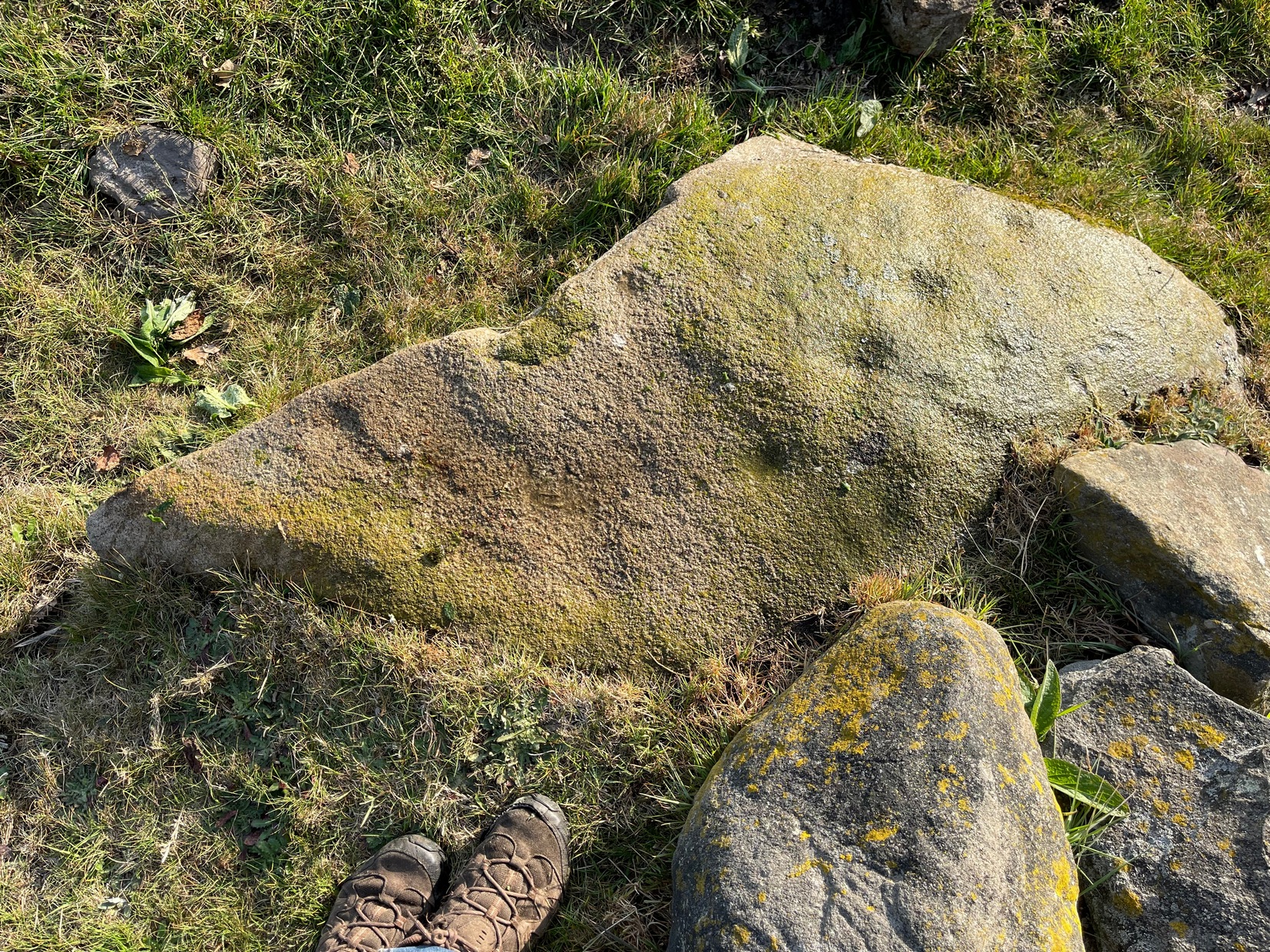
My first sight of this came about as I walked alongside the walling.  Approaching the stone, I noticed what looked like a recent cup-like marking with a curved line emerging from it on its eastern surface; but it didn’t look too old and was more like the scratch-marks you see sometimes when farmers have been dragging rocks along to be used in walling.  So I shrugged in slight disappointment—until the far-side, the western-side of the stone came into view.

Line of cups

Main scatter of cups

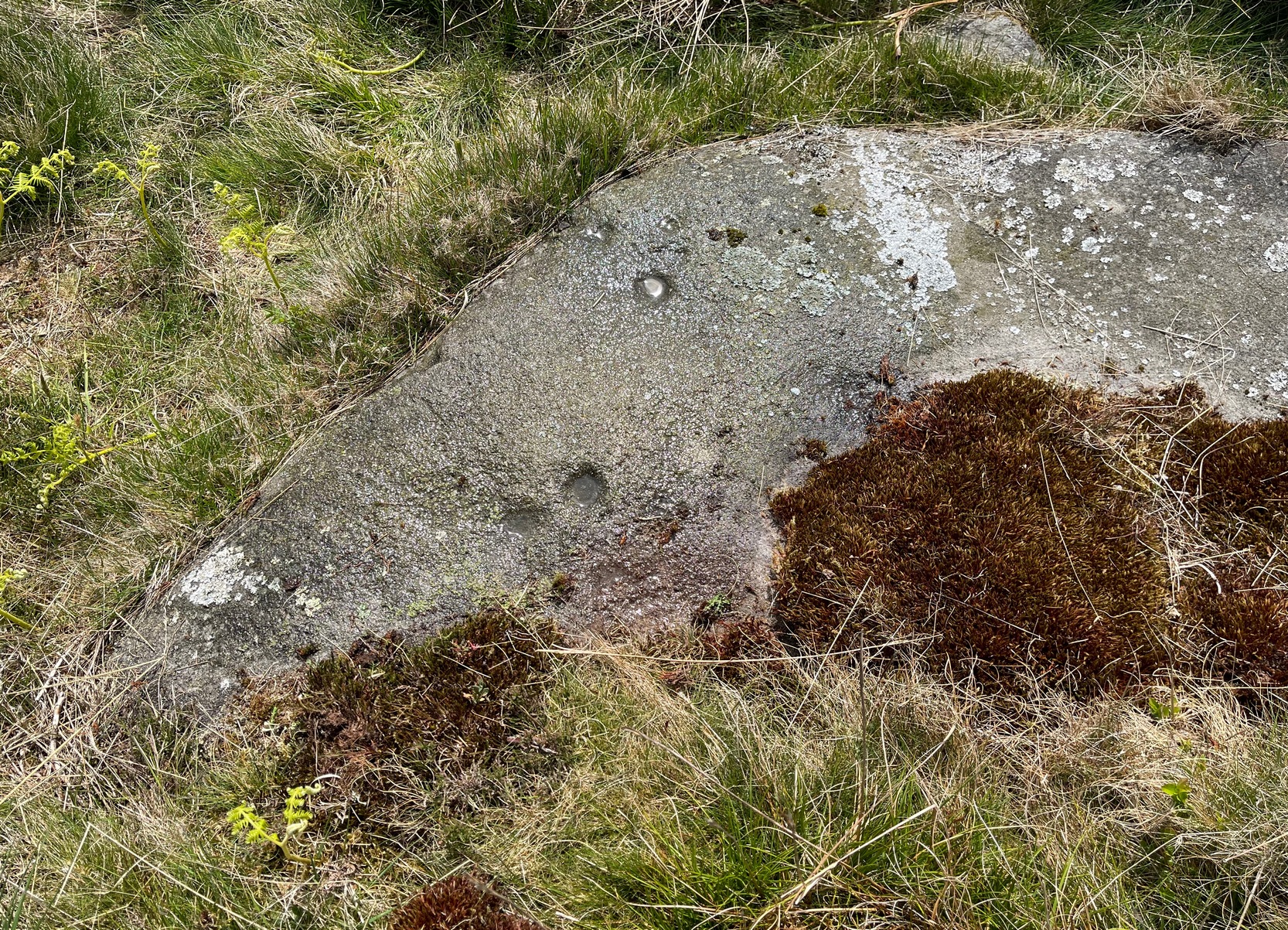
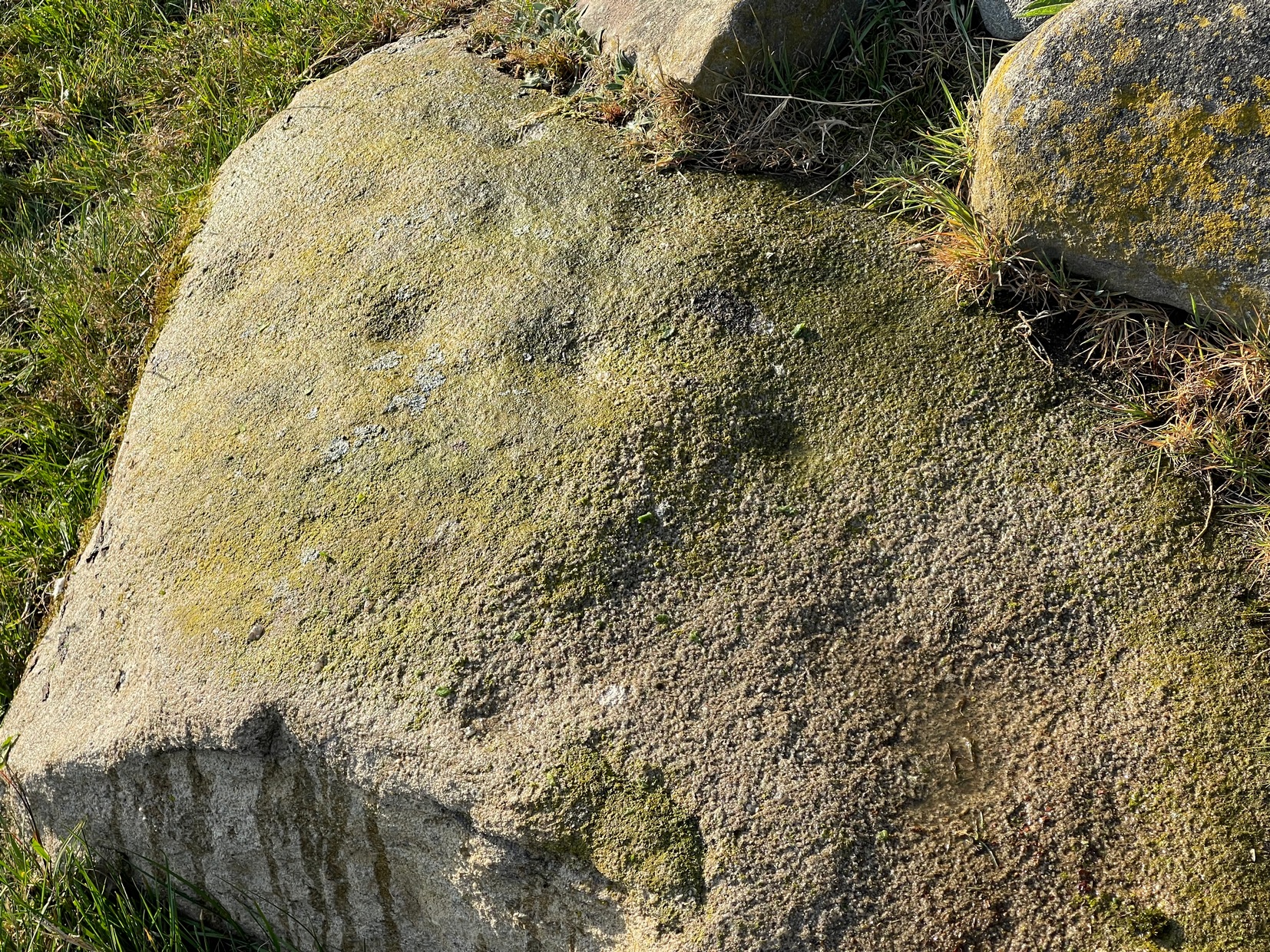
Sloping ever-so-slightly down into the ground, the surface of the stone had a cluster of quite worn, shallow, but distinct cup-markings between one and two inches across, four of which ran in a line from the top to the edge of the stone in a slight curve.  As I walked round it, looking from different angles, it became obvious that two or three other cups existed—mainly from the top to the western side of the rock.  One seemed to exist near the edge, whilst two other faint ones sat to the side of the line-of-four—almost creating a square formation.  From some angles it looked as if there may be faint lines running between some of the cups but (as usual) the sunlight didn’t really help highlight them and they could just be faded erosion lines.

Looking down at the cups

Water & sunlight & cups

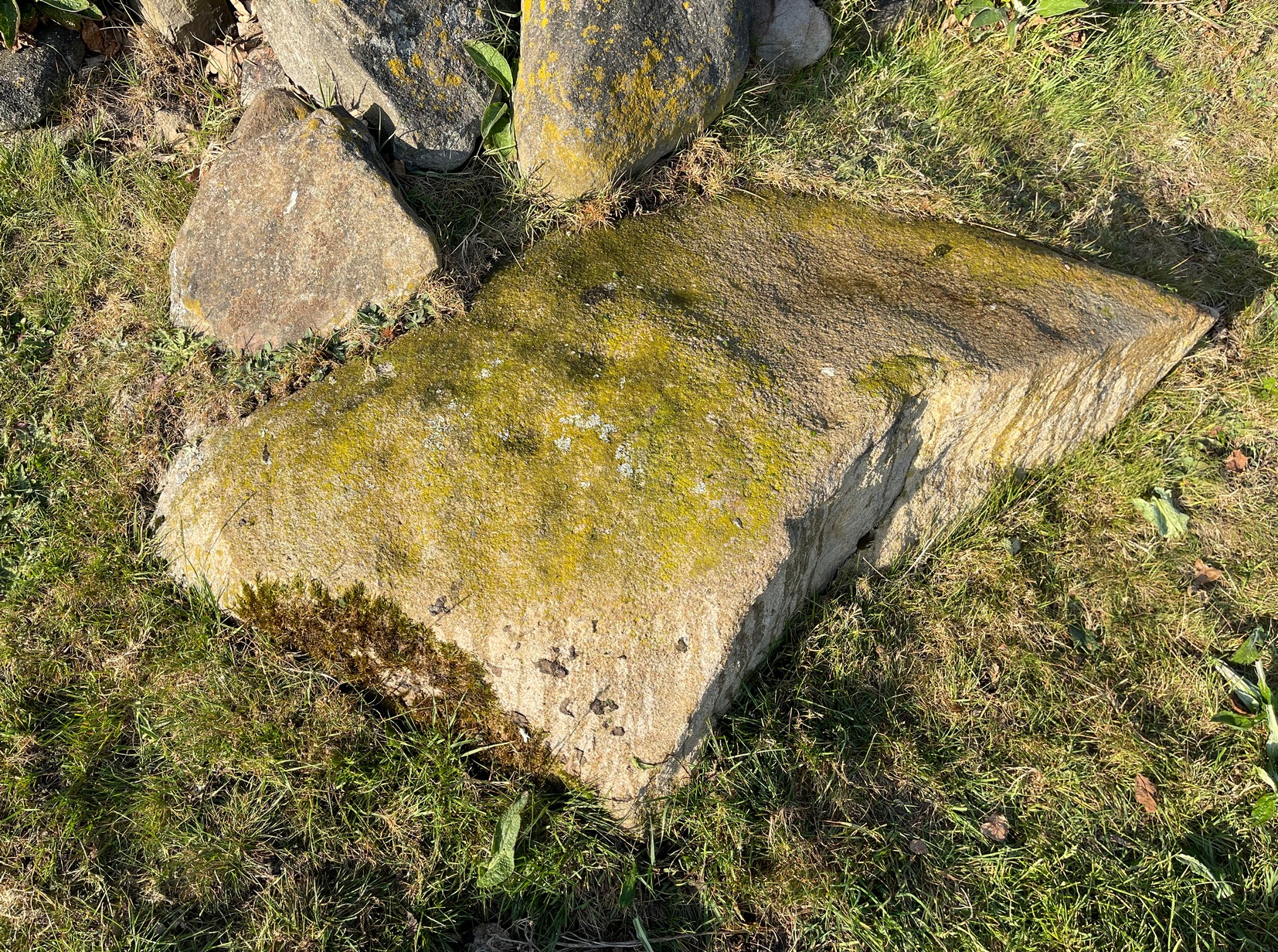
It was obvious that a section of the stone on its southern edge had been broken off in the not-too-distant past, raising the idea that the design may originally have been larger than its present form.  This thought returned when I walked another 60 yards west along the wall and came across a broken section of stone that had been placed into it, pretty recently, and on its vertical face noticed a single cup-mark in a good state of preservation, indicating that it had either been cut recently or instead been dug out of the ground not too long ago and shown intself to the world after a sleep of several millenia.  Look at it when you have a gander at the main carving here and make up your own mind….

© Paul BennettThe Northern Antiquarian
Hawksworth Spring (04), Hawksworth, West Yorkshire

Cup-Marked Stone:  OS Grid Reference – SE 15802 41206

Getting Here

Hawksworth Spring (04)

Take the same directions as if you’re going to visit the Hawksworth Spring (1) carving.  From here, the small footpath at its side keeps going uphill, curving to the right and following the line of walling.  After about 20 yards where the land begins to level out, keep your eyes peeled for a small elongated earthfast rock, less than three feet long, just to the left of the path and only three or four yards away from the wall.  If the leaves have covered the stone, get on your hands and knees and scrub around a bit.  You’ll find it!

Archaeology & History

Primary cup-marking

This was a frustrating find as there are several elements on the stone, only one of which I could be 100% certain about – and that’s the singular cup-marking on the top-left of the stone.  Just next to this is what looks to be another one, unfinished, cut into a natural fissure in the rock—but the daylight was frustrating, allowing only glimpses of visual clarity on the stone.  At the other end of the stone, as the photo shows, are what stand out as two or three more cup-marks, but these seem geophysical in nature—although examples such as these scatter the works of Boughey & Vickerman (2003; 2018) as authentic, which shows the problem we all have as rock art students. Anyhow, at least one of these cups is the real deal.  I’ll let the computer-tech lads sort the rest of it out for us…

© Paul BennettThe Northern Antiquarian
Hawksworth Spring (03), Hawksworth, West Yorkshire

Cup-Marked Stone:  OS Grid Reference – SE 15807 41196

Getting Here

Hawksworth Spring (3) CR

Once you’ve located the carvings of Hawksworth Spring (1) and (2), walk up the slope towards the topmost section of the walling where the land begins to level out.  Hereby you’ll see the Hawksworth Spring (4) carving (if it’s not covered in leaves) several yards below the wall. Turn around and look diagonally to your left, into the trees, where you need to walk into and beneath the overhanging holly branches.  Here you’ll reach the large earthfast rock whose edge rests up against the trunk of a larger tree.  You can’t miss it!

Archaeology & History

Notable curious “cups”

I’m not 100% convinced that this a prehistoric design, despite it being listed as such in Boughey & Vickerman’s (2003) survey—although, to be fair, they do suggest it as being “doubtful.”  The two most notable so-called “cups” have more of a recent hallmark to them and the other elements are troublesome to see with any certainty, but they may be geophysical in nature.  Their description of it told us this was a “fairly large fine-grained rock with some included pebbles.  Two pairs of cups, one pair connected by groove”.  Make of it what you will….

References:

  1. Boughey, Keith & Vickerman, E.A., Prehistoric Rock Art of the West Riding, WYAS: Wakefield 2003.

© Paul BennettThe Northern Antiquarian
Glen Gate, Baildon, West Yorkshire

Cup-and-Ring Stone (lost):  OS Grid Reference – SE 1347 3882

Also Known as:

  1. Carving no.143 (Boughey & Vickerman)

Archaeology & History

In Johnnie Gray’s (aka Harry Speight) early work on Airedale (1891), he described a number of the prehistoric sites on and around Baildon Moor and Shipley Glen.  Almost all of the things he wrote about have been identified, but a cup-and-ring stone at “Glen gate” (as he called it) remains elusive.  He wrote:

“After crossing the stream from the Glen gate, and going about thirty paces, we come upon…an incised stone, whereon are a number of circling lines and cup-like cavities — one at each corner, with a long line branching off to the north-east; but this stone unfortunately has got broken, and lying on the main path is much defaced.”

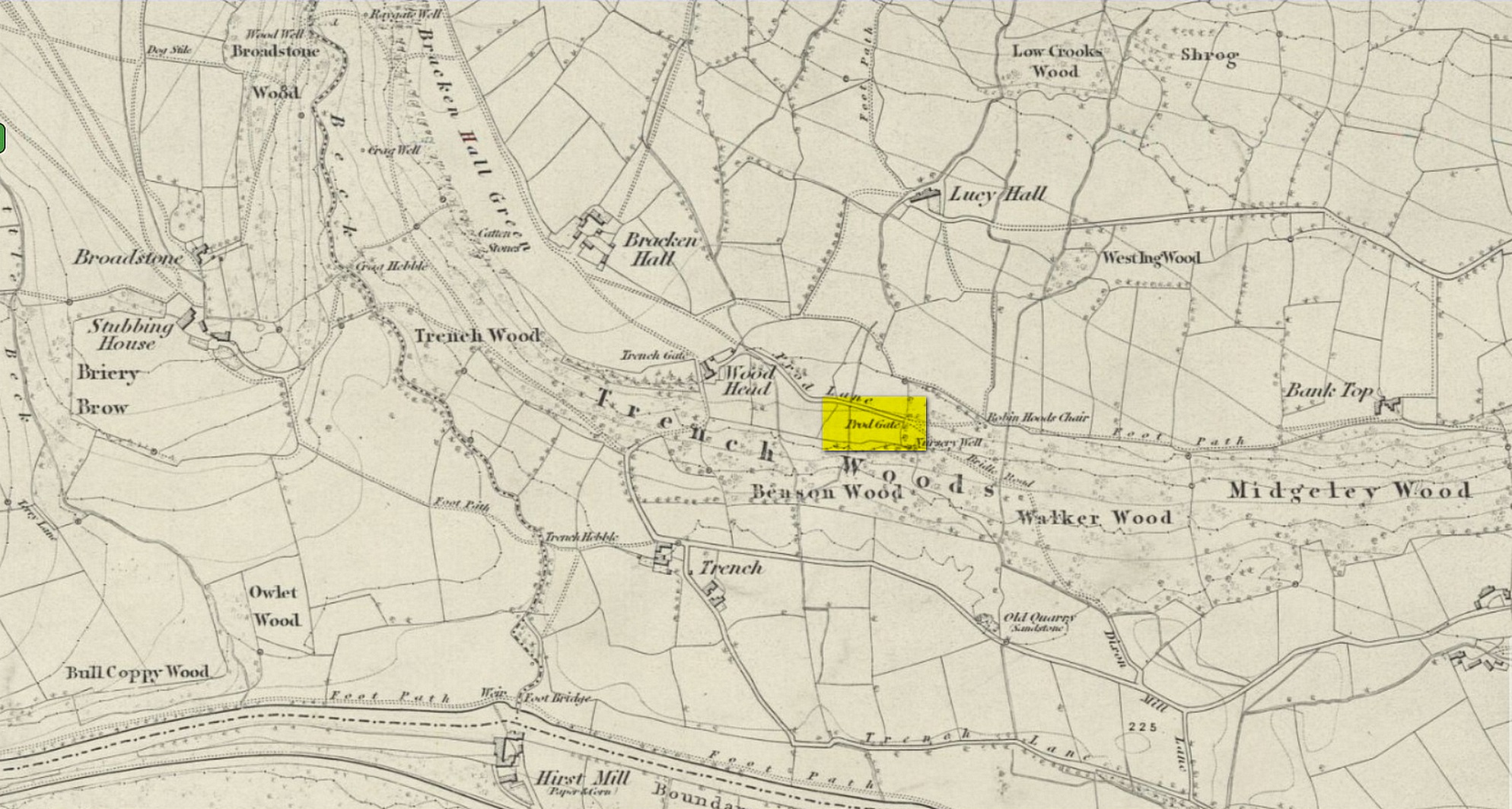
Prod Gate on 1852 map

The exact location of this has proven difficult as the name ‘Glen gate’ was obviously a local one as it wasn’t included on the Ordnance Surveys of the period.  There are two named “gates” hereby: one is Prod Gate at the east end of Prod Lane, and the other is Trench Gate a few hundred yards west at the other end of Prod Lane.  But the most likely gate of the two would be Prod Gate.  When Speight wrote his words, a stream existed that crossed the track about 70 yards west of Prod Gate, whereas no such water-course existed anywhere close to Trench Gate.  And so we assume that he was writing about “the stream from the Glen (Prod) Gate.”

Having said all that, there are no known petroglyphs like the one that Speight described anywhere hereby.  There are a couple of so-called “carvings” that have been included in so-called official surveys (Boughey & Vickerman 141  and 142; aka ERA- 2445 and ERA-2446) another 150 yards or so on the left-side of the road that could have been regarded as contenders, but these stones have just a mix of modern and natural markings and can be discounted.  In all likelihood, this impressive-sounding petroglyph was broken up and destroyed when the proper road was laid in the middle of the 20th century; or perhaps broken up and stuck into one of the garden walls along the roadside.  Either way, the carving seems long lost.

References:

  1. Boughey, K.J.S. & Vickerman, E.A., Prehistoric Rock Art of the West Riding, WYAS: Leeds 2003.
  2. Gray, Johnnie, Through Airedale from Goole to Malham, Walker & Laycock: Leeds 1891.

Acknowledgements:  Huge thanks for use of the Ordnance Survey map in this site profile, reproduced with the kind permission of the National Library of Scotland

© Paul BennettThe Northern Antiquarian
Abbey Cross, Whitby, North Yorkshire

Cross:  OS Grid Reference – NZ 90242 11300

Getting Here

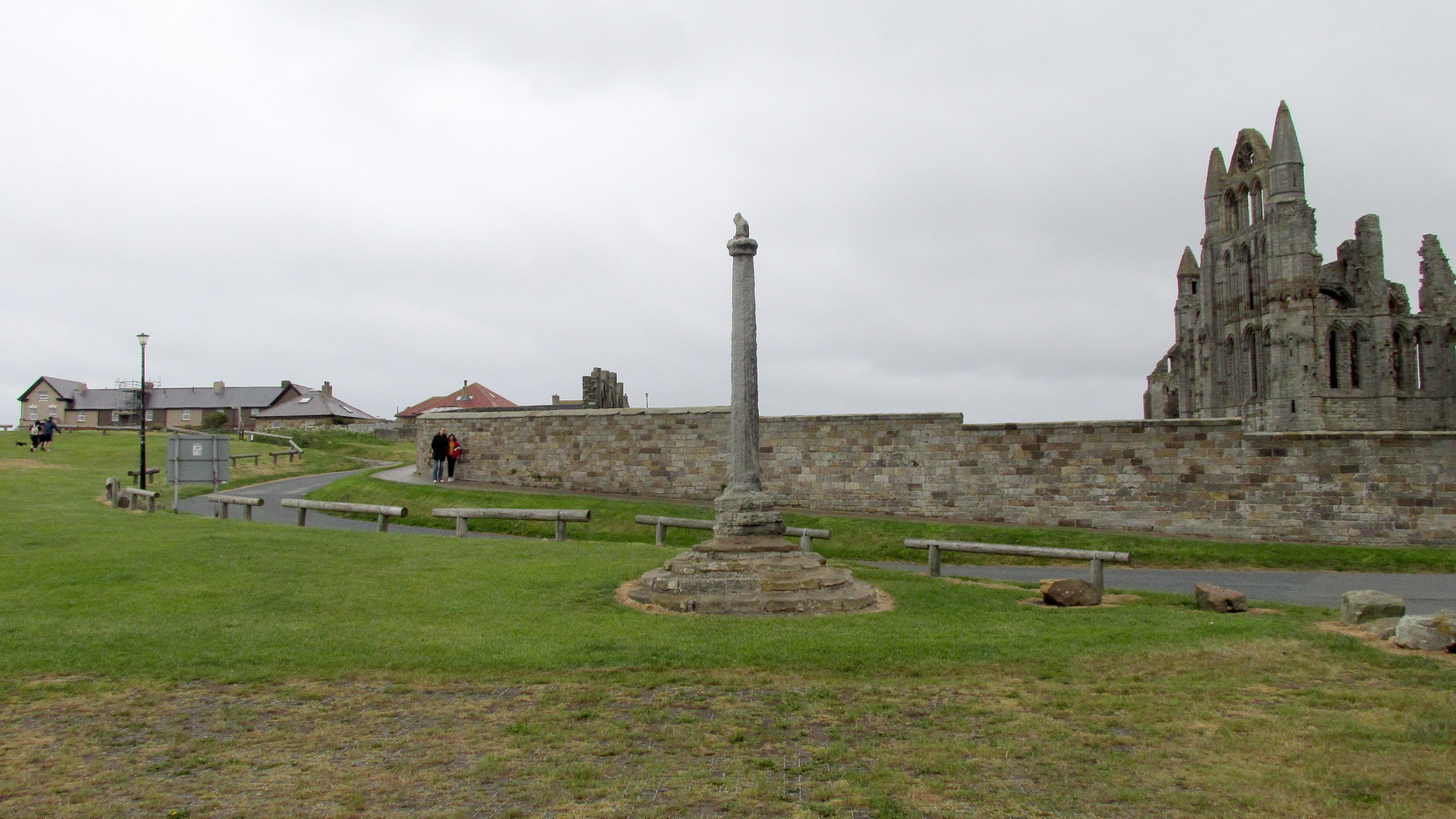
Pretty easy to find: from Whitby town centre, head uphill to the great ruins of Whitby Abbey.  You go past Caedmon’s Cross and past the more recent church and graveyard to the car-park at the top, outside the abbey.  At the edge of the car-park on the grass, you’ll see this tall hard upright, nice and erect!

Archaeology & History

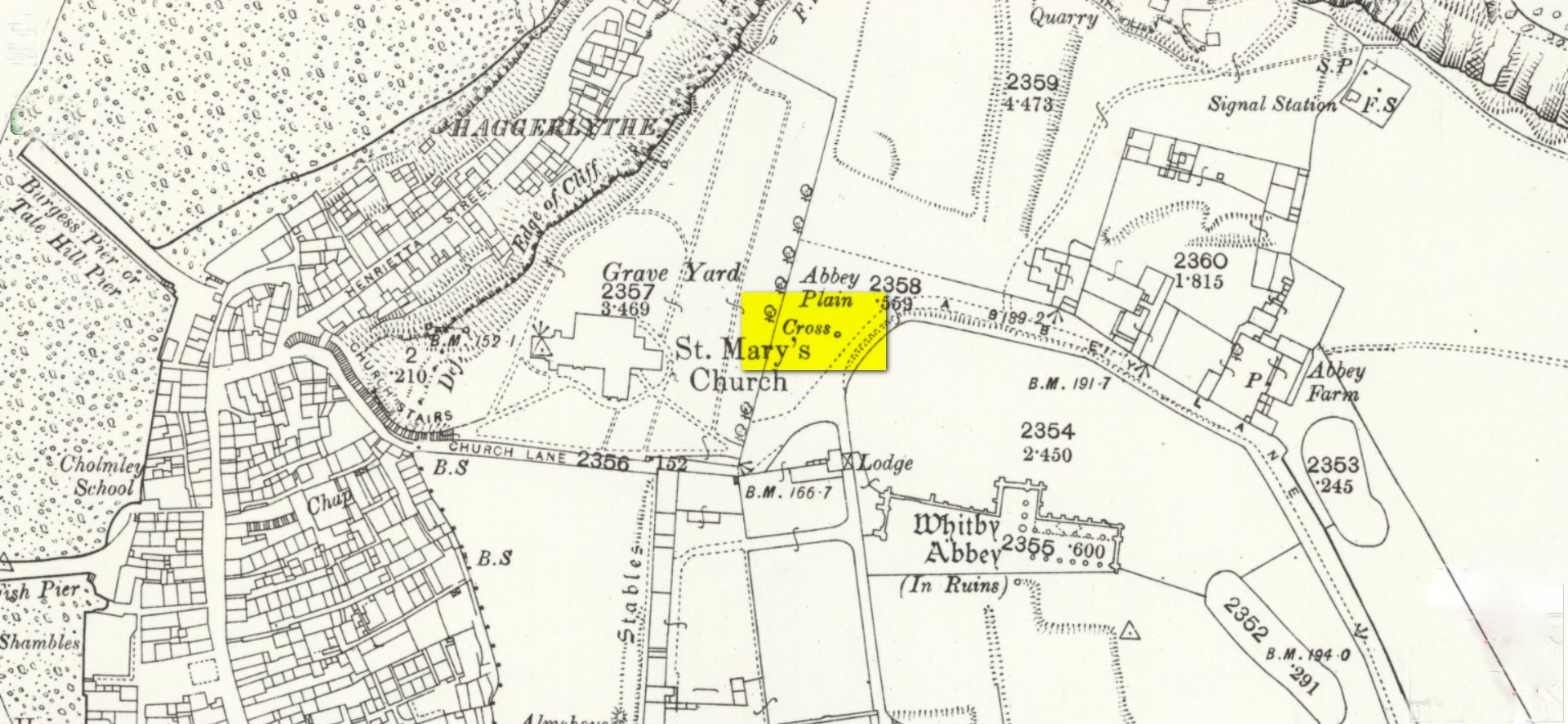
Cross shown on 1894 map

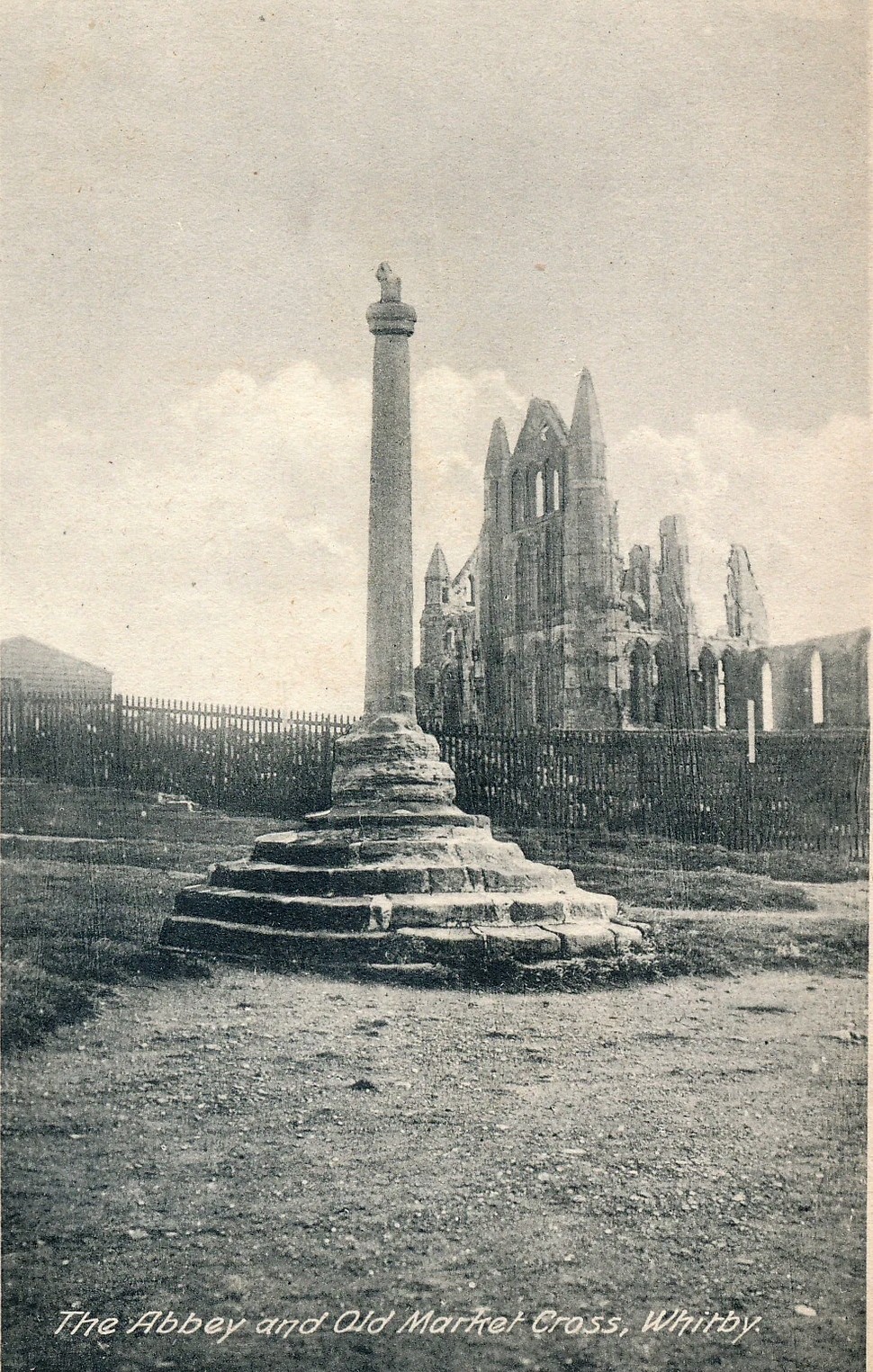
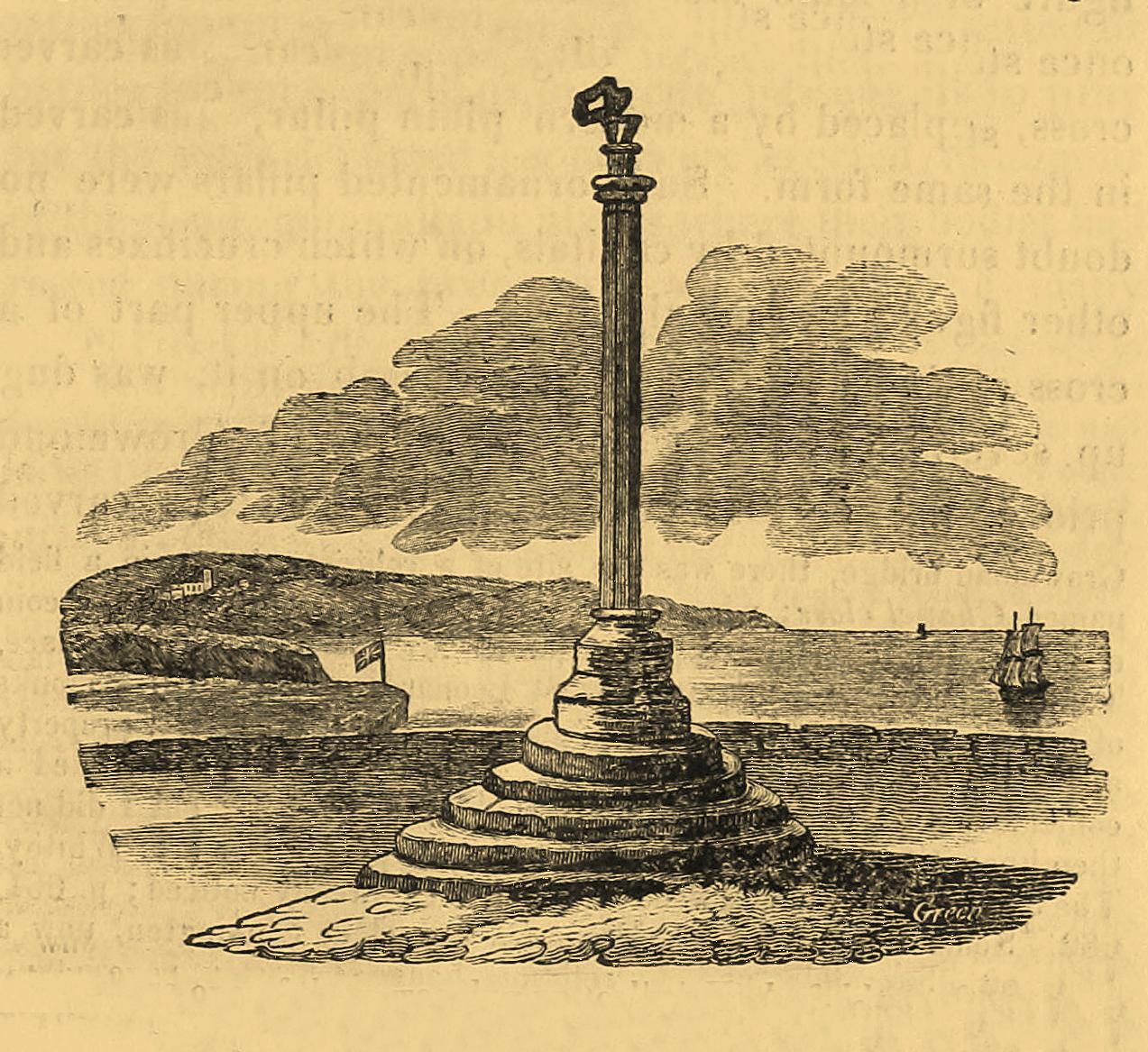
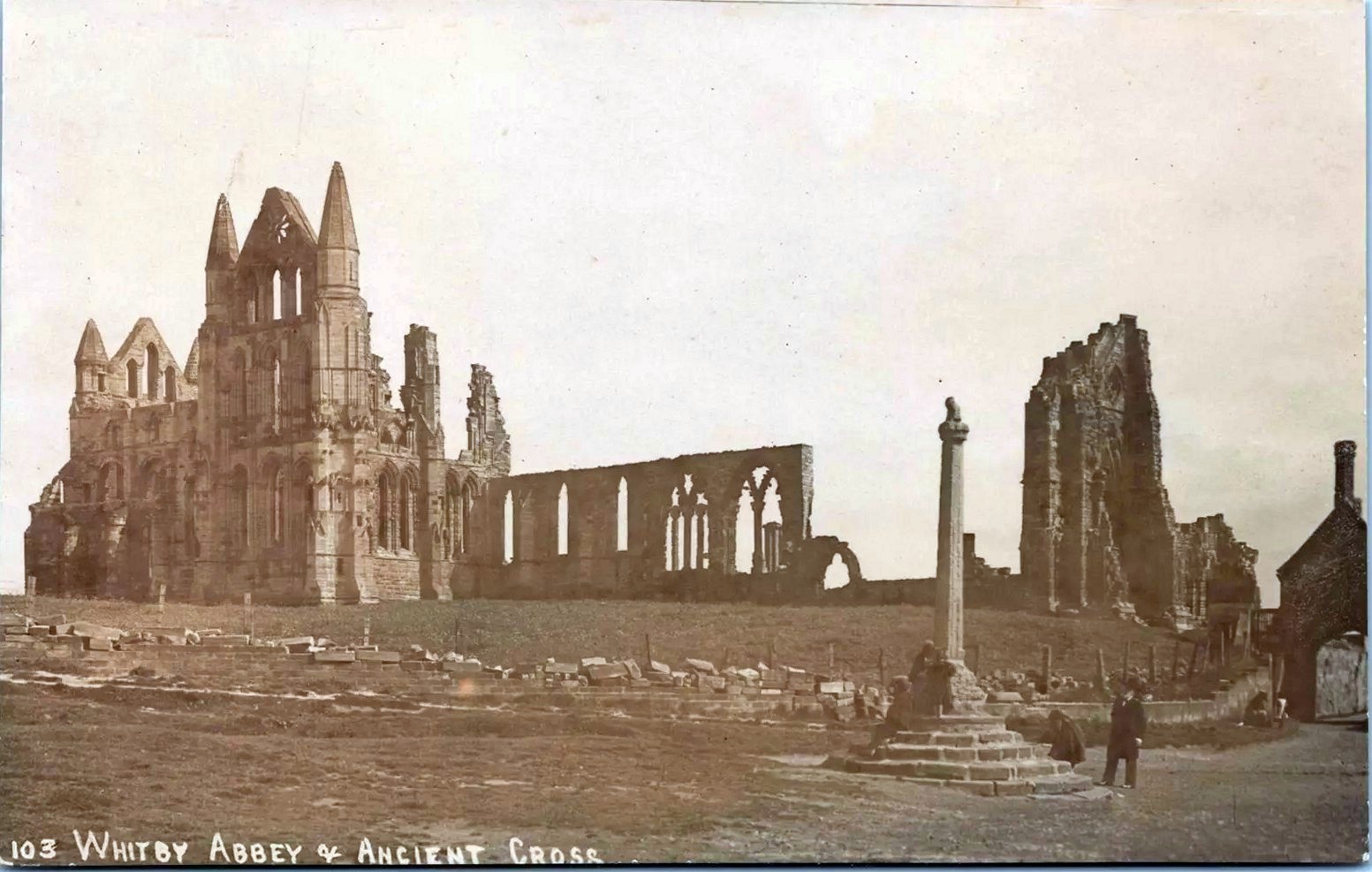
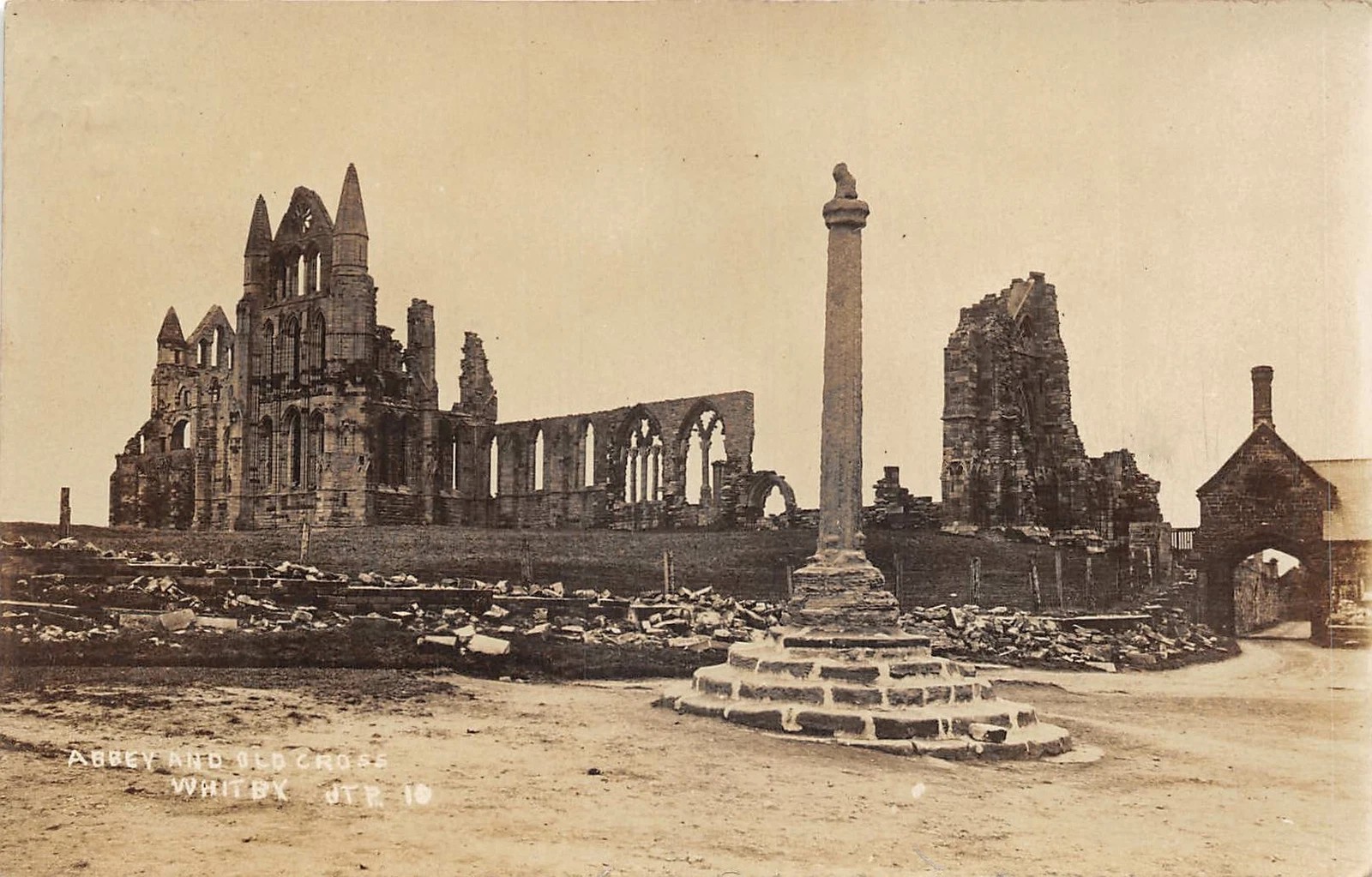
Highlighted on the earliest OS-maps and not to be confused with the nearby and more modern Caedmon’s Cross, this tall large monolith stands upon a stepped plinth comprising of six steps (originally five), about 18 feet high.  The top of the cross was knocked off a century or two ago, when it was reported to have been twenty feet!  Initially it stood about fifty yards closer to the Abbey, but was removed to its present position following the Dissolution. 

The brief history regarding its origin was described in George Young’s (1817) major work, in which he told that in 1474, on John Nightingale, rector of Sneaton parish, in his will “appointed his burial to be on the north side (of the Abbey), before the cross,” which was already standing at that time.  Young wrote:

“By this it would appear that the ancient cross, now standing in the abbey plain was then within the cemetery of the abbey.”

Abbey Cross, c.1900
Young’s 1817 sketch

This has subsequently been taken as the standard regarding its origin.  Tradition also told that it was an old market cross, but this was treated with considerable scepticism by George Young, who believed that the monks here simply wouldn’t have allowed such a thing at the edge the abbey and burial ground.  He found evidence to indicate that it “was at the port or harbour of Whitby that corn was bought or sold, that here were kept the standard bushels for measuring corn, and that here the market-clerk had his station.”  In spite of this, T.H. Woodwark (1934) reported that fairs had been held at the cross early in the 20th century.  In a thoroughly profane way, electrical wiring was wrapped around the bottom of the cross and led to a generator, along with washing-lines running from it to a caravan!  Mr Young would have been apoplectic!  

References:


  1. Atkinson, J.C., Memorials of Old Whitby, MacMillan: London 1894.
  2. Holt, Robert B., Whitby, Past and Present, Copas: London 1890.
  3. Woodwark. T.H., The Crosses on the North York Moors, Whitby Literary & Philosophical Society 1934.
  4. Young, George, A History of Whitby and Streonshalh Abbey (2 volumes), Clark & Medd: Whitby 1817.

Acknowledgements:  Massive thanks to Lindsay (wherefore art thou…?) Mitchell for getting us up here…  Huge thanks for use of the Ordnance Survey map in this site profile, reproduced with the kind permission of the National Library of Scotland

© Paul BennettThe Northern Antiquarian