Flemington Farm (2), Aberlemno, Angus

Cup-Marked Stone (moved):  OS Grid Reference – NO 52222 55864

Archaeology & History
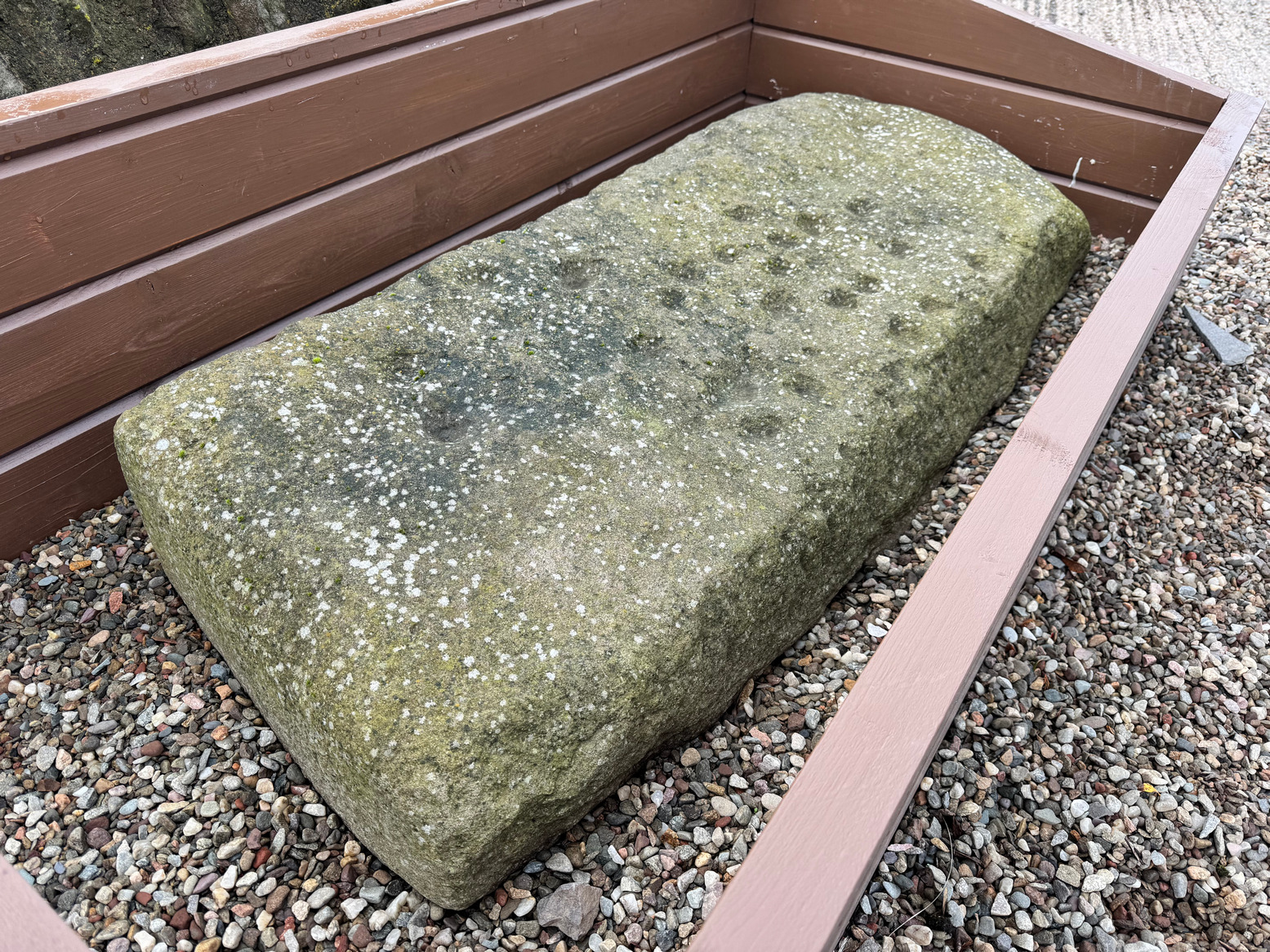
Flemington (2) carving

This is one of two prehistoric carvings that were found next to each other during some recent excavations in one of the fields to the south-west at nearby Flemington Farm (at NO 52503 55725) where it was uncovered in the stone floor of a building that was thought to be of Pictish origin (Pictish remains are everywhere round here).  It was thankfully moved from this spot and, along with it’s companion (the Flemington Farm [1] stone), has been moved from its find-spot, up to the edge of Aberlemno Primary School, where it is now visible next to a small tourist board.  But the design on this cut and squared stone is obviously not Pictish in nature or origin…
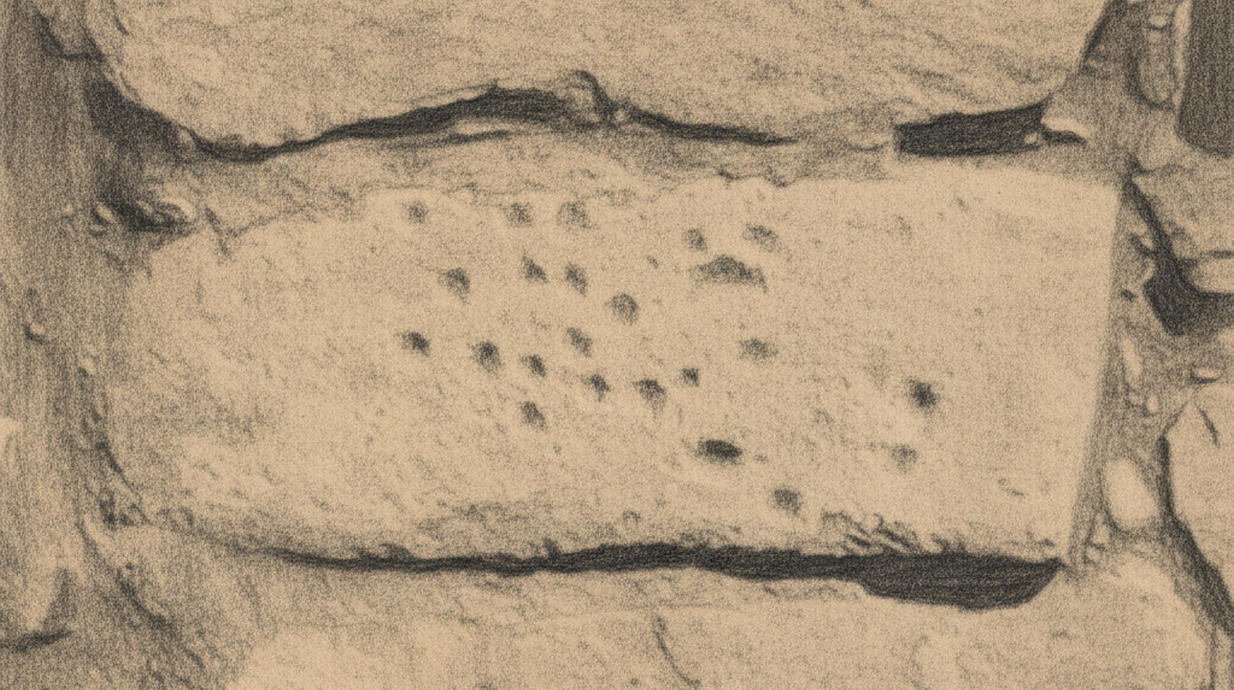
Flemington (2) stone
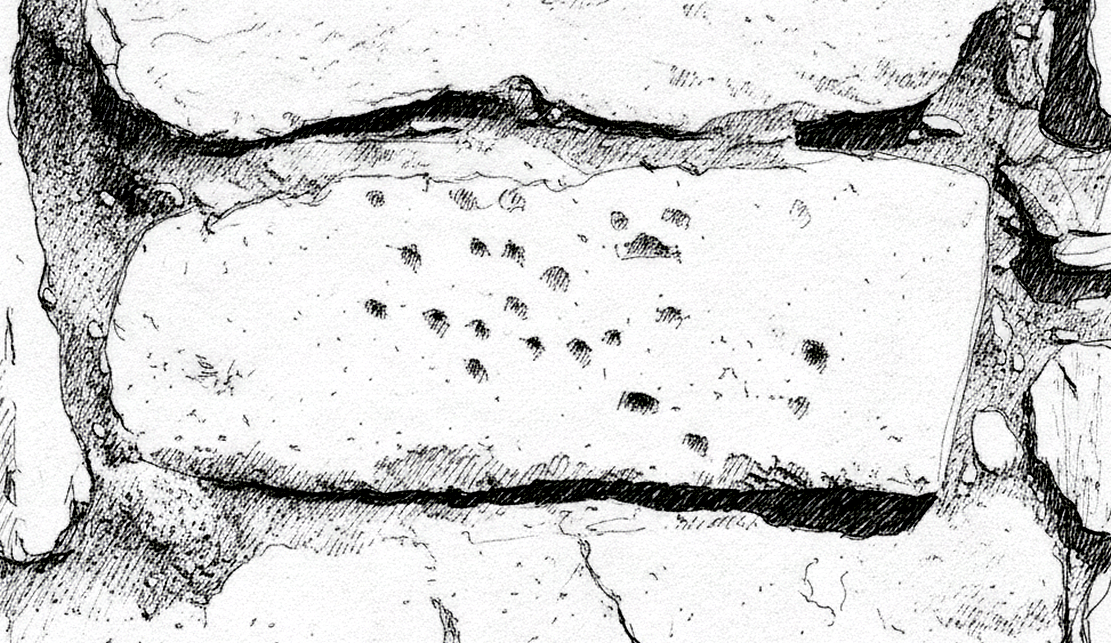
Sketch of the design

The carving comprises of at least twenty-two single cup-marks (no rings) across it’s flat surface, which had  obviously been cut and squared before it was re-used in the Pictish floor.  The slab is thin and the surface on which the cups were carved is unduly flat: a characteristic found on almost all petroglyphs that have been selected for use in prehistoric burials—be they cairns or cists.  This carving therefore, was probably used firstly as part of a ancient grave, perhaps a cist cover, either as a side panel (my preferred option) or covering stone—and as luck would have it, there was such a site in the field above Flemington Farm, but it was destroyed in the 19th century.  This carving may well have originated there prior to being re-used by the Picts in their flooring.

Acknowledgements: Huge thanks to Angie & Matt Tribble of Aberlemno for their guidance and pointing me to this and other sites in the neighbourhood.

© Paul Bennett, The Northern Antiquarian 
Flemington Farm (1), Aberlemno, Angus

Cup-and-Ring Stone (moved):  OS Grid Reference – NO 52503 55725

Archaeology & History

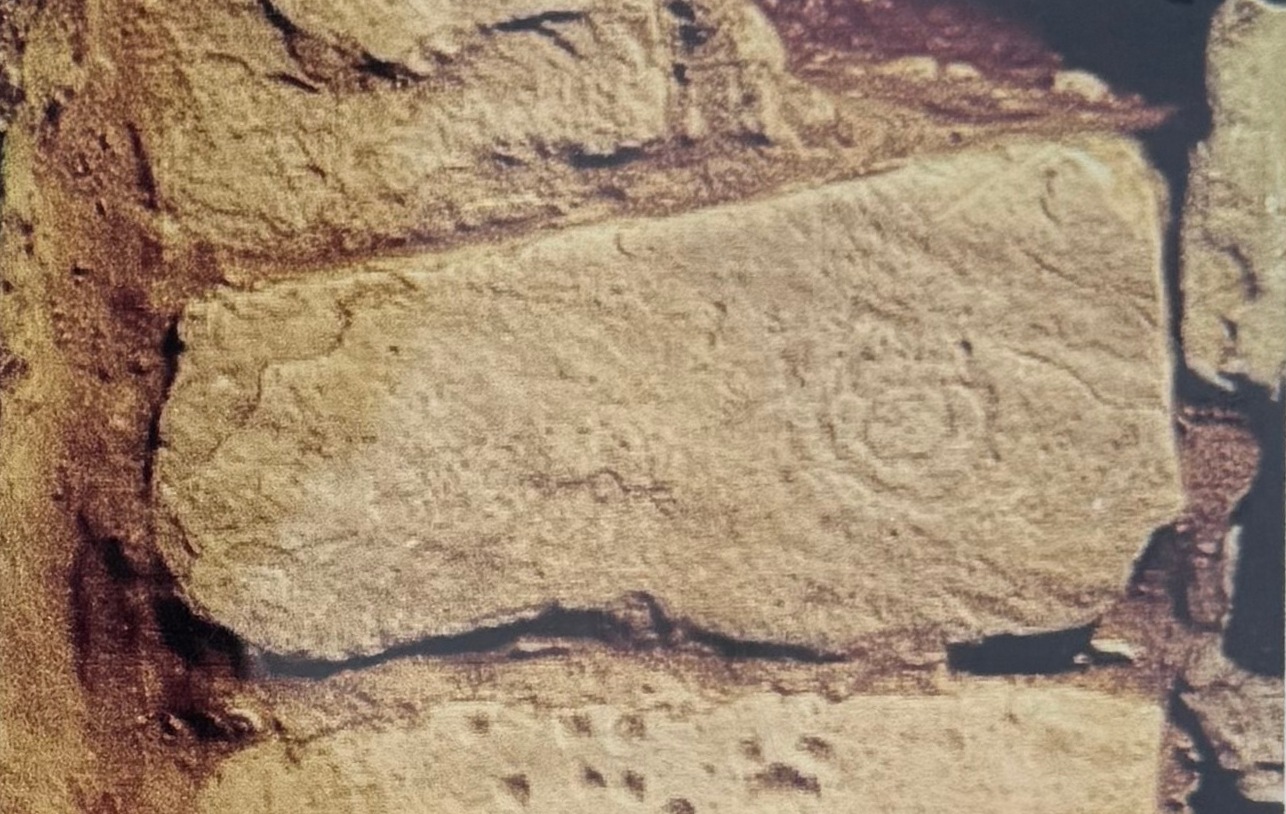
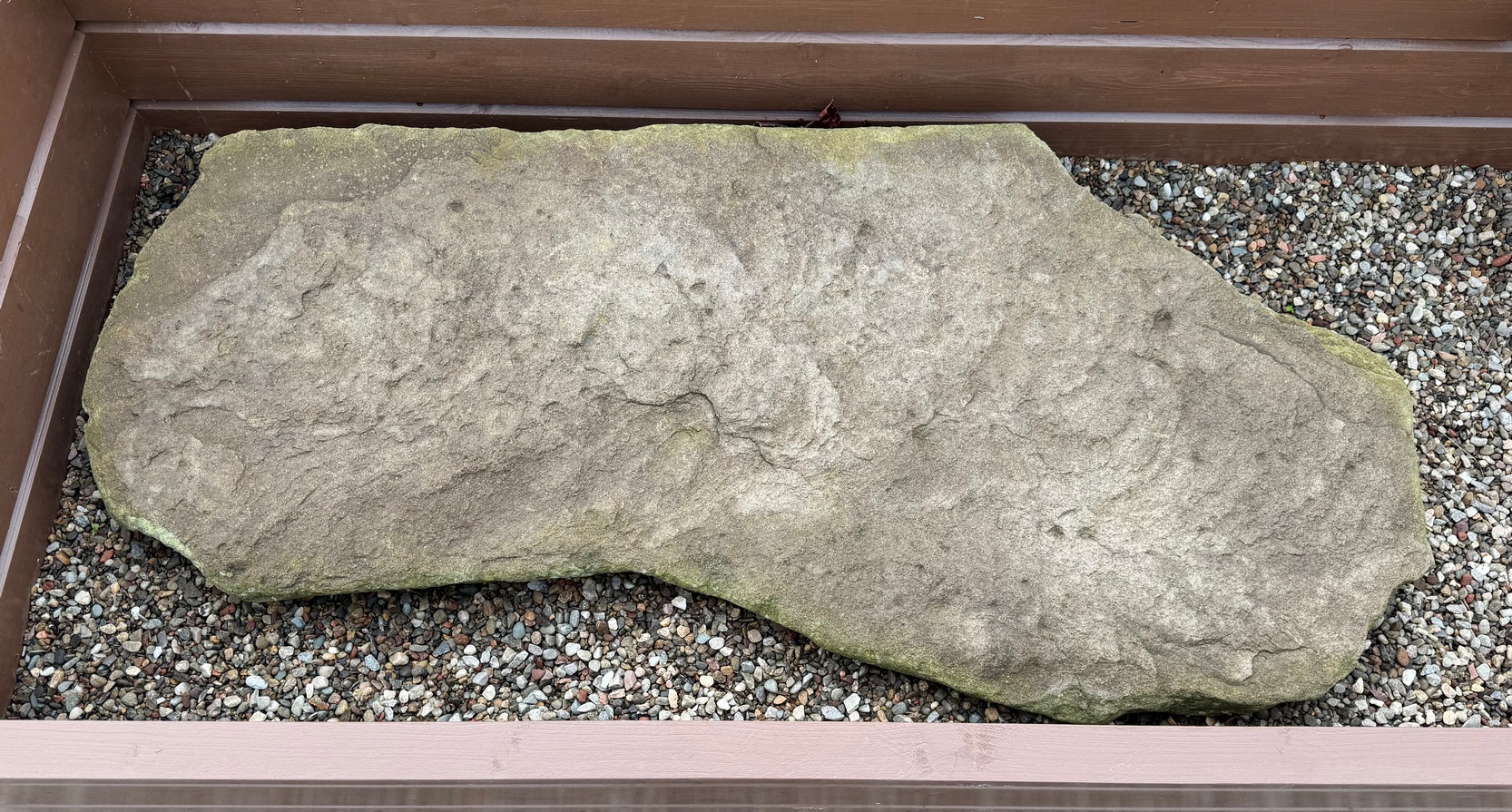
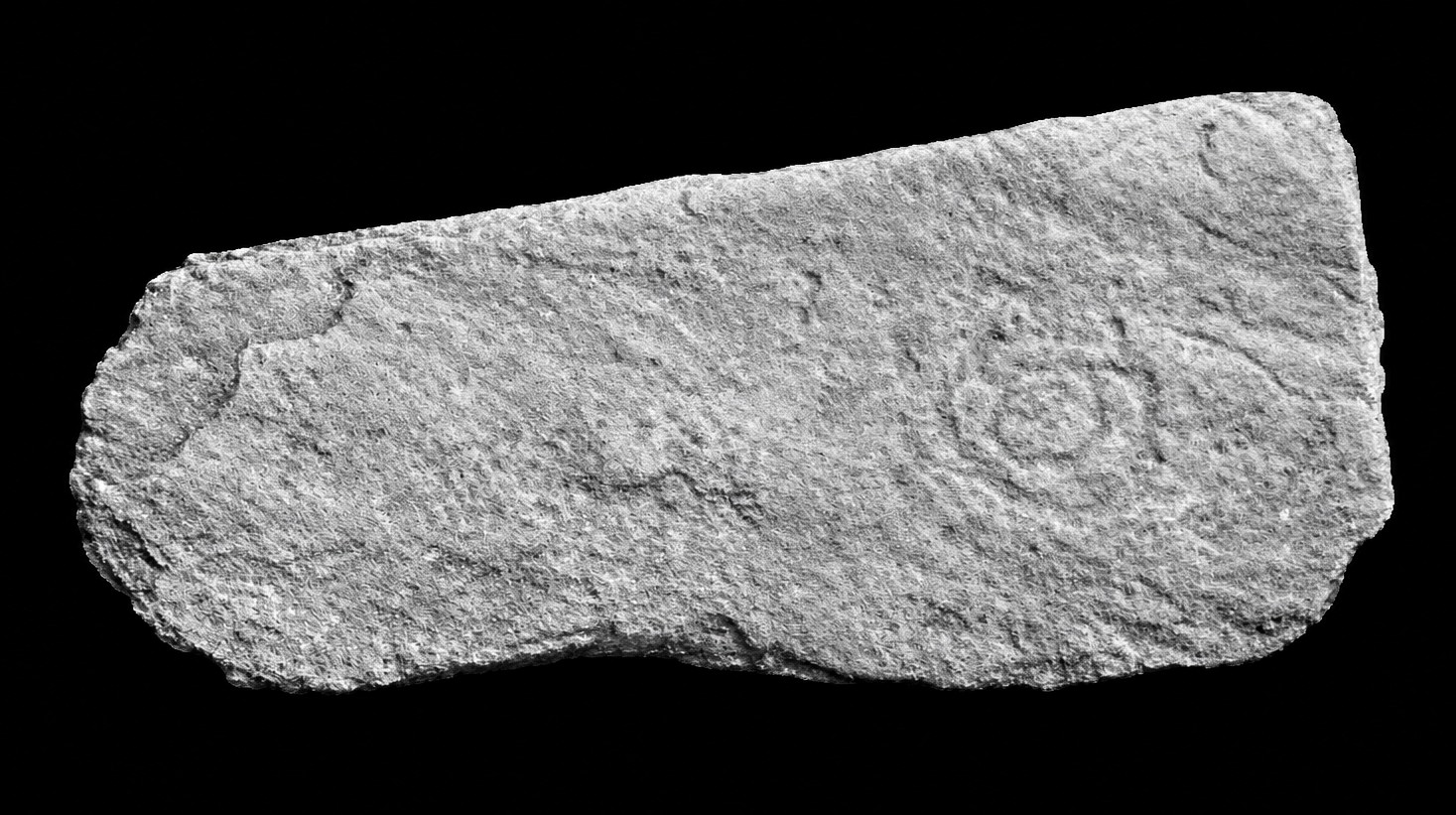
Flemington (1) carving

Found in association with the Flemington (2) cup-marked stone, this very faint double-ringed carving—without a cup-mark in the centre—was found recently during excavation work of an enclosed structure of seeming Pictish origin in fields just west of Flemington Farm. (Pictish remains in this neck o’ the woods are through the roof!)  It was found laid down as part of a stone floor within the enclosure, alongside several other stones and had obviously been removed from its original position, probably close by.  Since its discovery near the farm, the stone has been moved 300 yards north-west to the grounds of Aberlemno Primary School—so the old fella has moved around a bit!

The stone in the floor
The stone, broke & moved

The size and stature of the stone strongly suggests it was originally part of a prehistoric tomb—probably a cist burial.  It was probably a covering stone laid across the top of the cist, with the symbol facing down on the corpse for the benefit of the spirit therein.  It should be noted that there was once a ‘cairn’ in the next field above here to the north-west—which might be where it first came from.

The cup-less double-ring symbol is found on a number of stones in the Newgrange complex in Ireland (best illustrated in Martin Brennan’s superb books on that region), although is somewhat rarer in this part of Scotland.

Acknowledgements:  Huge thanks to Angie & Matt of Aberlemno for their guidance and pointing me to this and other sites in the neighbourhood.

© Paul Bennett, The Northern Antiquarian